Small Language Models vs Large Language Models Explained
Small language models vs large language models explained is one of the most misunderstood comparisons in AI right now. We researched model cards, vendor documentation and technical roundups published in 2026 rather than hands-on testing, so every claim below traces back to a published source. The short version: the boundary between the two is fuzzy and moves every year, but the useful definition is not about parameter count. It is about where the model can run. A small language model runs on hardware you already own. A large language model needs a datacentre or an API.
Here at aitechcorner.com, we track the AI developments that matter to ordinary users and small teams. Below you will find the real 2026 small-model line-up, why small models suddenly got so good, a licensing section almost nobody gets right, and a practical guide to choosing between the two. The detailed Future AGI SLM vs LLM comparison agrees with our framing: the right question is where a model runs and what it costs, not just how big it is.
Small language models vs large language models explained: the real definition
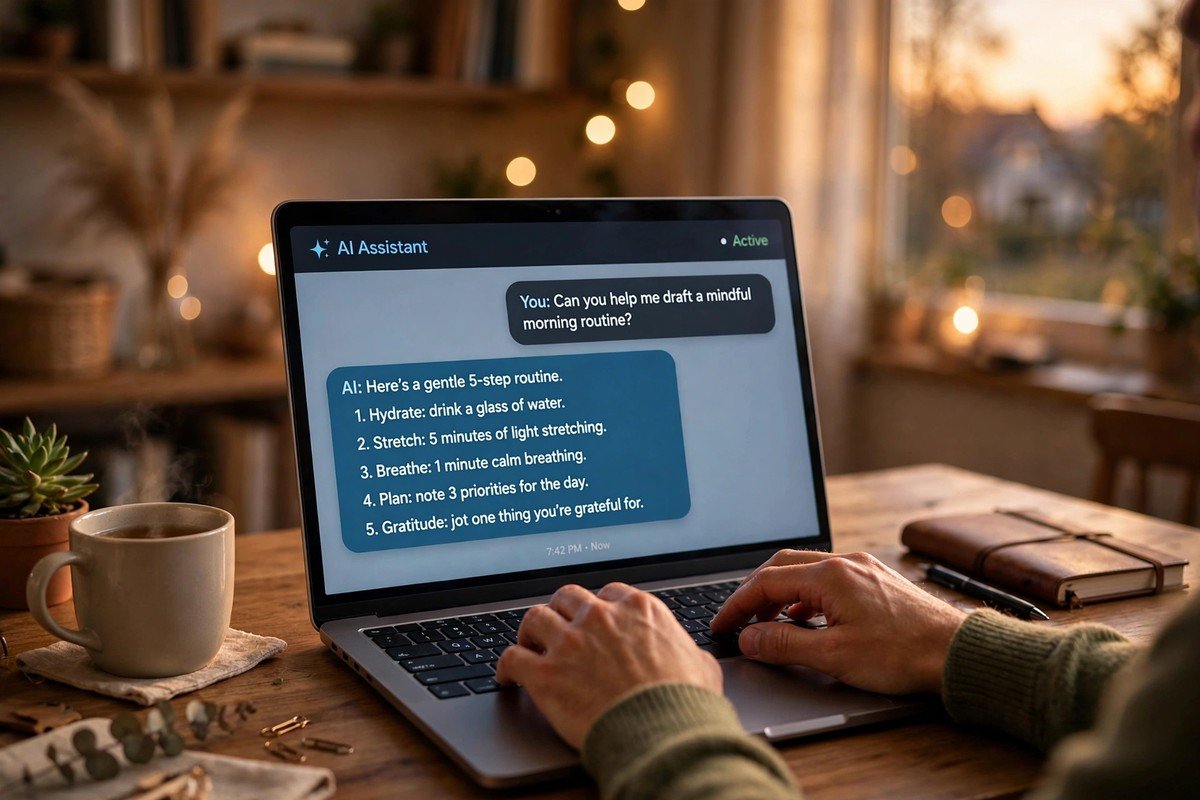
Most articles give you a hard cutoff, something like “under 10 billion parameters”. The research we reviewed puts the working boundary at roughly under 10 to 15 billion parameters in 2026, but warns the line drifts every year as training improves. What does not drift is the hardware test: if you can download it and run it on your own machine, it is small; if you need a vendor’s servers and an API key, it is large.
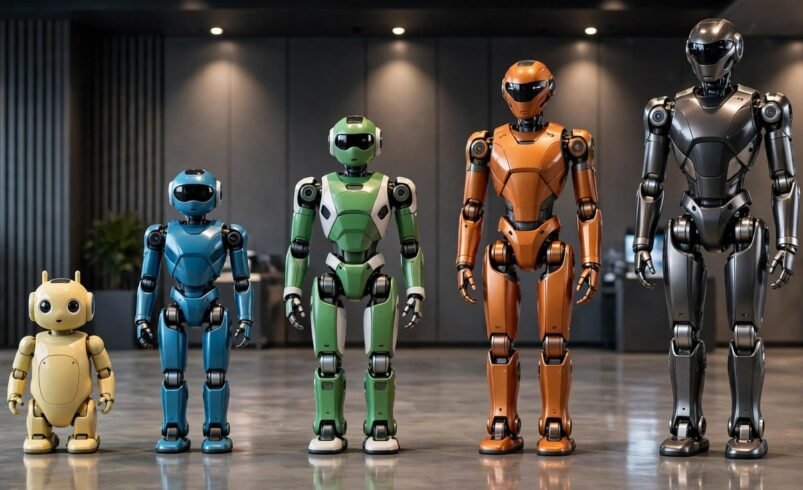
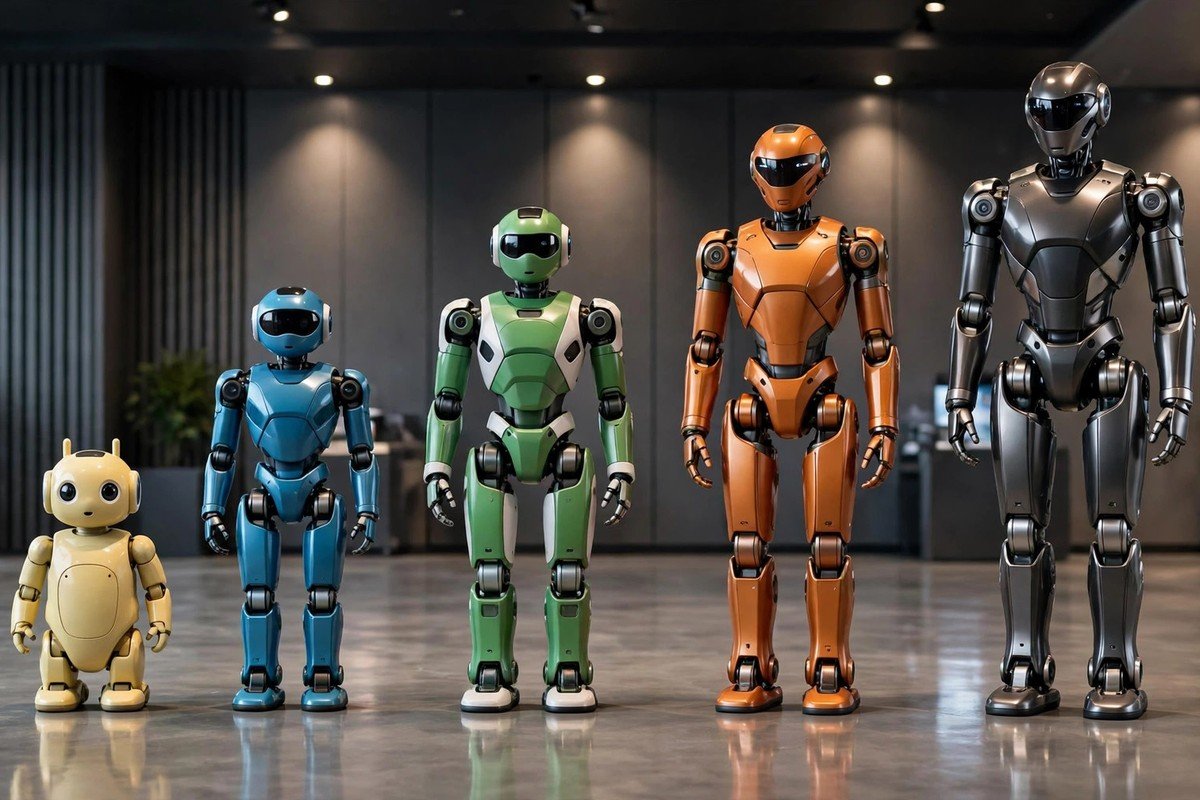
That definition clears up the confusion at once. A well-trained 14 billion parameter model can outperform an older 70 billion parameter model on tasks it was tuned for, so size alone never predicts capability. The 2026 consensus is a three-rung ladder: small models under roughly 15B, a mid tier of 15B to 100B, and frontier large models at 100B and above.
The small language model line-up in 2026
The small-model shelf in 2026 is genuinely strong. Microsoft’s Phi-4 Mini packs 3.8 billion parameters with a 128K context window under the permissive MIT license. Google’s Gemma 3 family spans 1B, 4B, 12B and 27B (March 2025) and Meta’s Llama 3.2 offers 1B and 3B, both with 128K context. Alibaba’s Qwen 2.5 covers 0.5B to 7B under Apache 2.0, and the tiny SmolLM family starts at just 135 million parameters for ultra-constrained devices.
Newer 2026 families exist too, including Google’s Gemma 4 and Alibaba’s Qwen3.5 Small line, reported in sources from August 2026 onward. They are the newer generation rather than our primary picks, since the earlier families remain the most widely used and best documented.
Why small models got so good
Three developments explain why a laptop-sized model can now do serious work. First, data quality beat data quantity: Microsoft’s Phi line showed that curated, textbook-style training data beats raw scraped web text at small scale. Second, distillation: small models increasingly learn from larger models, transferring capability downward. Third, 4-bit quantisation: a 7B model compressed to Q4 needs around 4GB of memory, which fits comfortably on a laptop. For the hardware maths, see our guide on how much GPU you need to run AI models locally.
The payoff: a 7B model needs roughly 14GB for its weights at 16-bit precision (around 18 to 19GB end to end with context memory), but only about 4GB at 4-bit quantisation, which is phone territory.
The licensing trap almost everyone misses
This is the section most roundups get wrong, and it matters if you ship a product. Only two of the popular small models are fully permissive in the open-source sense: Microsoft Phi-4 Mini is MIT licensed, and Qwen 2.5’s small models are Apache 2.0 licensed. Both are recognised by the Open Source Initiative as truly open.
Google’s Gemma models use the Gemma Terms of Use and Meta’s Llama models use the Llama Community License. Both are free for most uses but conditional, not OSI-recognised open-source licenses. If commercial freedom matters, always read the actual license terms.
SLMs vs LLMs: cost, latency and quality
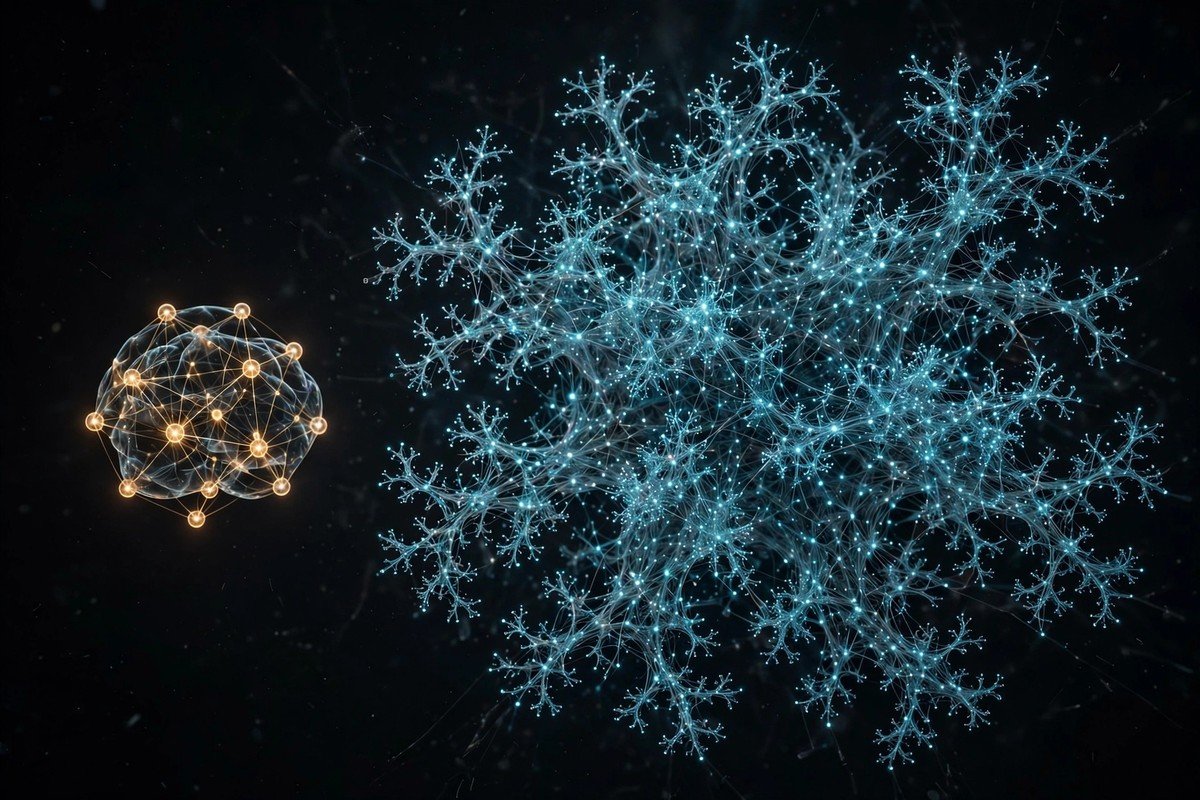
The frontier large-model tier in 2026 includes the GPT-5 family, Claude Opus 5, Gemini 3.x Pro and open-weight models such as Kimi K3. On general knowledge benchmarks, small models typically score in the mid-50s to high-70s on tests like MMLU, while frontier models reach the mid-80s to low-90s. For example, Phi-4 Mini scores around 68.5 at just 3.8B parameters, ahead of Llama 3.2 3B at around 63.4.
The cost difference is far bigger than the quality gap. Small models can be self-hosted for the price of electricity, or served for cents per million tokens, while frontier models cost single to low double-digit dollars per million output tokens. Latency follows the same split: roughly 20 to 250 milliseconds for small models versus half a second to several seconds for large ones. Small models win on cost, latency, privacy and offline use; large models win on reasoning, breadth, long-context tasks and frontier capability.
When to use each, and the hybrid pattern that won 2026
Choose a small model for narrow, repetitive tasks: classification, extraction, short-document summarisation or request routing. Also choose one for predictable sub-250 millisecond responses, on-device or offline operation, or strict data privacy, since nothing leaves the device.
Choose a large model for open-ended work: multi-step reasoning, agentic tool use, long-form writing, code generation across a large codebase, or anything needing hundreds of thousands of tokens of context. Our AI in healthcare examples coverage shows how clinical software splits the same way: local tools for routine work, powerful cloud models for the complex cases.
Then consider the pattern that defined 2026: a small model router handles the high-volume bulk of traffic and escalates the hard tail to a frontier model. An NVIDIA Research paper argued that small models are not just cheaper for agentic AI but inherently more suitable, since an agent’s loop is mostly repetitive specialised tasks. Before buying hardware for any of this, check whether an AI PC is worth buying to see which machines handle local models well.

Conclusion
Small language models vs large language models explained in one sentence: small models run where you are, cost almost nothing and keep your data private; large models think further ahead but charge you per token and need the cloud. For most personal and small-team tasks in 2026, a well-chosen small model is the right default, with a frontier model on call for the hard cases.
FAQs
What is the difference between small and large language models?
The practical difference is where they run. Small language models (roughly under 10 to 15 billion parameters in 2026) run on a laptop, phone or single GPU, while large language models need a datacentre or an API. Small language models vs large language models explained comes down to this: small ones run where you are, large ones live in the cloud.
Can a small language model really run on my laptop?
Yes. A 7B model at 4-bit quantisation needs about 4GB of memory, which most modern laptops and many phones can handle. Our guide on GPU requirements for running AI models locally has the figures by model size.
Are Gemma and Llama truly open source?
No, in the strict sense. Gemma uses Google’s Gemma Terms of Use and Llama uses the Llama Community License, both free but conditional. Only Phi-4 Mini (MIT) and Qwen 2.5 small models (Apache 2.0) among the popular picks are fully permissive OSI-recognised licenses.
Why not always use a small model if it is so cheap?
Small models fail at open-ended reasoning, novel domains and long-context tasks. When a task needs frontier reasoning, hundreds of thousands of tokens of context or agentic tool use, large models earn their keep. The 2026 best practice is a hybrid: a small model for the bulk of traffic, a large model for the hard cases.
How do I choose between a small and large model for my project?
Build a test set of 200 to 500 real examples from your workload, run both models on it, and pick the cheapest one that passes your quality bar.