7 Humanoid Robots You Can Actually Buy in 2026 (With Real Prices)
October 12, 2026
0
7 Humanoid Robots You Can Actually Buy in 2026 (With Real Prices) For years, humanoid robots were trade-show demos and YouTube clips. In 2026 that changed: the humanoid
7 Humanoid Robots You Can Actually Buy in 2026 (With Real Prices)
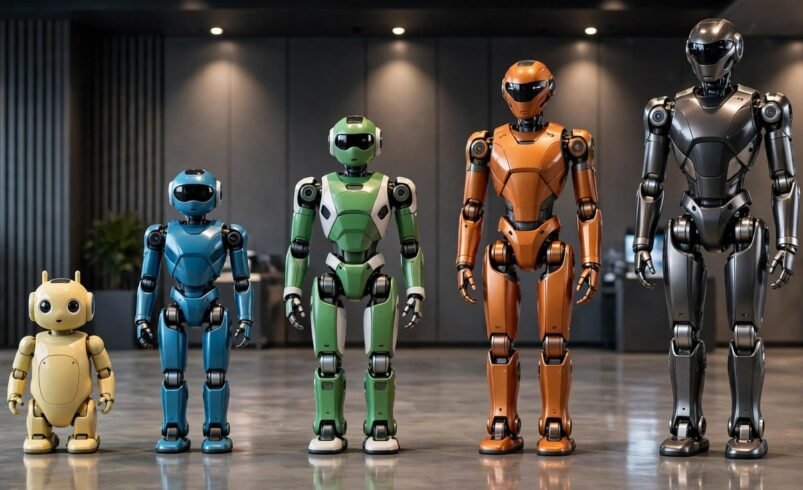
For years, humanoid robots were trade-show demos and YouTube clips. In 2026 that changed: the humanoid robots you can actually buy in 2026 now start at around the price of a used car, with real online stores, real pre-orders and published prices. But “actually buy” hides a catch. The cheapest machines are remote-controlled toys for hobbyists, the most useful ones are locked behind enterprise sales teams, and only one is built for your home. This guide sorts the genuinely purchasable robots from the factory-only famous ones, with real prices and honest limits.
We researched this article from manufacturer stores and 2026 buyer guides rather than hands-on testing. Prices move fast in this market, so treat every figure below as a snapshot from October 2026 and check the official store before you buy. All prices are USD unless stated.
The Humanoid Robots You Can Actually Buy in 2026: Buyability Tiers at a Glance
Most roundups dump every robot into one list, which is exactly how people end up thinking Tesla Optimus has a checkout page. It does not. This independent humanoid robot buyer’s guide confirms the same framing we use here: sort by who can actually hand over money, then compare. The table below does that.
Tier
Robots
Typical price
Best for
Hobbyist platforms
Unitree R1 Basic, Booster K1
$5,900 to $6,000
Tinkerers, schools, demos
Research and education
Unitree G1, Unitree H2
Around $13,500 to $29,900
University labs, developers
Home early access
1X NEO, Neura 4NE1 Mini
$20,000 or $499/month; reservations
US early adopters
Enterprise only
Agility Digit
Around $250,000
Warehouses and logistics firms
The Seven Humanoid Robots, Ranked by Buyability
1. Unitree R1 Basic (around $5,900)
The cheapest humanoid with a public price. Unitree opened R1 pre-orders in April 2026 at $5,900 for the Basic model, and cheaper R1 Air variants have appeared in some markets since. It stands about 1.2 metres tall and can walk, dance and perform pre-programmed motions, which makes it a crowd-pleaser at schools and maker events.
The catch: the Basic is remote-controlled only, with no SDK and no way to write your own code. If you want a programmable machine, you need an R1 EDU tier, which starts far higher. Think of it as the most affordable way to own a humanoid, not the most useful one.
2. Booster K1 (from around $5,999)
The K1 from Chinese maker Booster Robotics is the quiet bargain of the budget tier. Where the R1 Basic locks out developers, the K1 ships with full developer SDK access as standard, making it arguably the cheapest programmable humanoid you can order in 2026.
It is small, around 95 cm tall, with roughly 30 minutes of walking runtime per charge. That limits it to education and light development work, but for robotics students and indie developers, the price-to-access ratio is the best in its class.
3. Unitree G1 (around $13,500 direct)
The G1 is the best-selling research humanoid in the world, and for good reason: it is orderable right now from Unitree’s store, it walks for around two hours, and its whole-body control makes it the default platform for university robotics labs.
Read the spec sheet carefully, though. The base $13,500 G1 does not support secondary development, meaning you cannot deploy your own code on it. Real programming requires the EDU tiers, which are quote-only and cost substantially more, with pricing varying by configuration. If you plan to run serious AI workloads at home, first read our guide on whether an AI PC is worth buying to plan the local compute side.
4. 1X NEO ($20,000 upfront or $499/month)
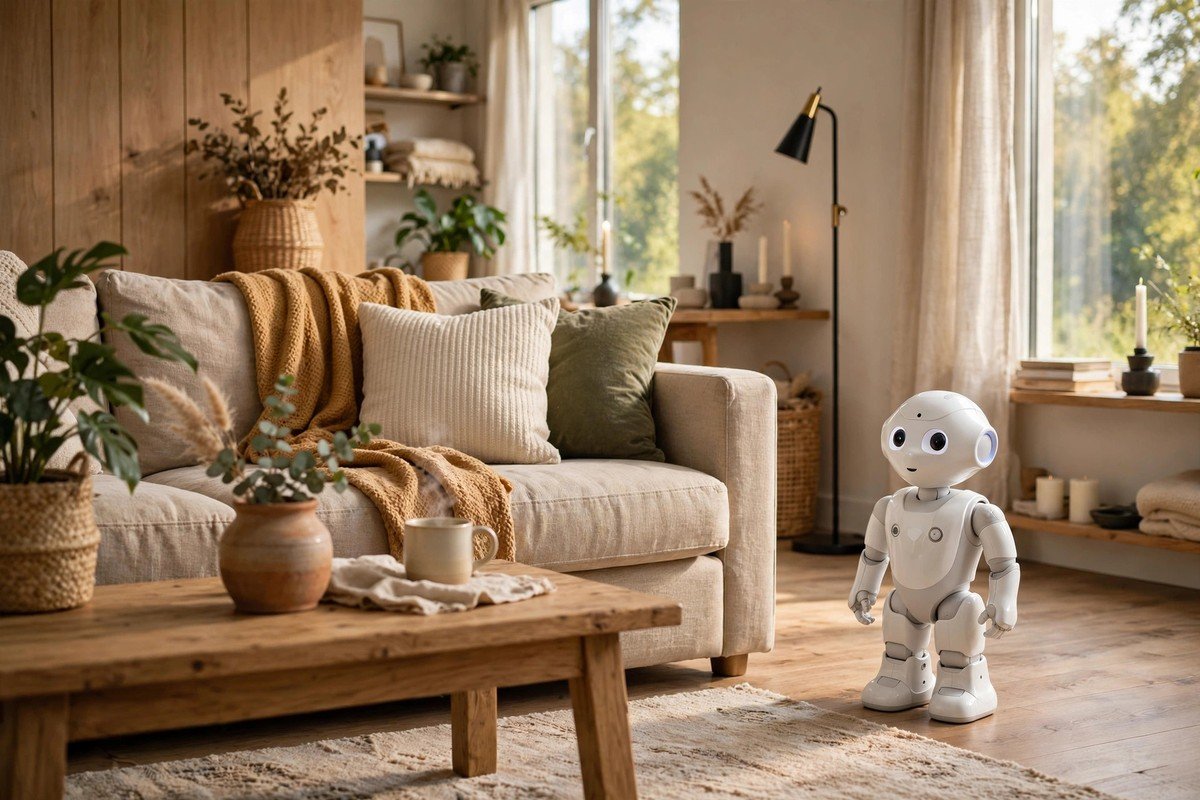
NEO is the only robot on this list designed for your living room rather than a lab. The Norwegian-American company 1X takes pre-orders at $20,000 for outright ownership or $499 per month on a subscription, with a $200 deposit, and says US deliveries begin in 2026.
The specs genuinely fit a home: 5 ft 6 in tall, just 66 lb, tendon-driven actuators that are safe to be around, whisper-quiet operation, and a claimed four hours of active use with self-charging. It can fold laundry, tidy rooms and learn new chores through guided demonstrations.
The honest tradeoff is privacy. Early NEO units lean on 1X’s remote human operators to teach and supervise tasks, which means company staff can see through the robot’s cameras during those sessions. That is the price of buying the first home humanoid: you are part of the training data. The conversational side of NEO runs on the same LLM technology as the assistants in our ChatGPT vs Claude vs Gemini comparison.
5. Unitree H2 (around $29,900)
Stepping up in size, the H2 is Unitree’s mid-size research platform with around 31 degrees of freedom for complex manipulation tasks. Unitree lists it at roughly $29,900 before shipping and duties, and it is available on deposit or pre-order rather than off-the-shelf.
This is a specialist tool for industrial R and D and well-funded labs, not a consumer product. Budget extra for shipping from China, import duties and spare parts, which independent guides put at several hundred dollars per component.
6. Neura 4NE1 Mini (reservations)
German maker Neura Robotics has opened refundable individual reservations for the 4NE1 Mini, a home-adjacent humanoid at an earlier stage than NEO. It sits between the hobbyist tier and true consumer readiness: you can put money down, but deliveries are not imminent and specifications are less firmly published.
Worth watching if you like NEO’s home-first philosophy but want a European option. Do not treat a reservation as a purchase until shipping dates and final pricing are confirmed.
7. Agility Digit (around $250,000)
Digit is the only robot here with real full-time jobs: it is deployed in warehouses at Amazon, Toyota and GXO, moving totes and doing the repetitive lifting work humans dislike. The typical reported price is around $250,000 per unit, sold through Agility’s enterprise sales team, not a store page.
You cannot buy one as an individual, which is why it sits last on buyability even though it is first on real-world usefulness. For businesses, the purchase pairs with automation tooling like the platforms in our n8n, Zapier and Make comparison, since a warehouse robot is only as good as the workflow behind it.
Famous Robots You Still Cannot Buy in 2026
Three names dominate the headlines but none of them has a checkout page. Tesla Optimus Gen 3 is ramping production for Tesla’s own factories only, with roughly 15,000 units expected in 2026; consumer sales are pencilled in for late 2027 at the earliest. Nobody has bought an Optimus, and anyone claiming otherwise is describing something else.
Figure 03 works assembly tasks at BMW’s factory through enterprise pilot agreements, with no public price. Boston Dynamics’ electric Atlas is in pilot testing at Hyundai’s Georgia plant, also enterprise-only with custom contract pricing. These are capability benchmarks, not products.
One more caution: treat demo videos with scepticism. Some of the flashiest robot clips circulating in 2026 are generated with AI tools rather than filmed, so if a “buyer review” looks too good, compare it against our roundup of the best AI video generators for small business in 2026 to calibrate what synthetic video can fake.
The Honest Pattern: Cheap, Buyable, Useful (Pick Two)
After sorting the market honestly, one pattern stands out: the cheaper and more buyable a humanoid is, the less it can actually do for you in 2026. The $5,900 machines are remote-controlled toys and teaching tools. The $13,500 to $30,000 machines are real platforms, but only if you can program them. The one home-ready robot costs $20,000 and watches you back. And the genuinely useful ones cost a quarter of a million and answer to a logistics manager, not you.
That is not a reason to ignore the market. It is the reason to buy with your eyes open. Match the tier to your actual goal: curiosity, education, research or a business case. Never to a demo reel.
Should You Buy a Humanoid Robot in 2026?
So should you join the first wave of the humanoid robots you can actually buy in 2026? For hobbyists and students, the sub-$6,000 tier is genuinely fun and educational if you accept the limits. For developers and labs, the G1 remains the sensible buyable platform. For the average consumer who wants a home helper, 1X NEO is the only real option, and you should be comfortable with the early-access privacy tradeoff before placing a deposit. Everyone else is better off waiting for Optimus or the second NEO generation, when prices fall and autonomy catches up. As we cover across our robotics reporting on AITechCorner, this market rewards patience more than hype.
Frequently Asked Questions
What are the cheapest humanoid robots you can actually buy in 2026?
The Unitree R1 Basic, at around $5,900 on pre-order, is the cheapest humanoid with a published price you can actually buy in 2026. Just know it is remote-controlled only; the programmable Booster K1, from around $5,999, is the cheapest developer-friendly option.
Can I buy a Tesla Optimus in 2026?
No. Tesla’s Optimus Gen 3 is deployed only inside Tesla’s own factories in 2026, with consumer sales targeted for late 2027 at the earliest. Any listing claiming to sell you one is a scam or a mislabelled product.
What is the catch with 1X NEO’s remote operators?
Early NEO units rely partly on 1X’s remote human operators to teach and supervise tasks, so company staff can see through the robot’s cameras during those sessions. 1X frames this as a safety measure for early access, but privacy-conscious buyers should understand the tradeoff before paying the $200 deposit.
Which humanoid robot is best for robotics developers?
The Unitree G1 EDU tier remains the most popular choice in university labs thanks to its SDK, ROS 2 support and compatibility with Nvidia’s GR00T foundation models. Budget option: the Booster K1 ships with SDK access from around $5,999.
Will humanoid robot prices keep falling?
Almost certainly. The R1’s price dropped in China during 2026, and Tesla’s stated goal is a $20,000 to $30,000 Optimus at scale. The question is not whether prices fall, but whether capability and autonomy rise fast enough to make a home robot genuinely useful before they do.