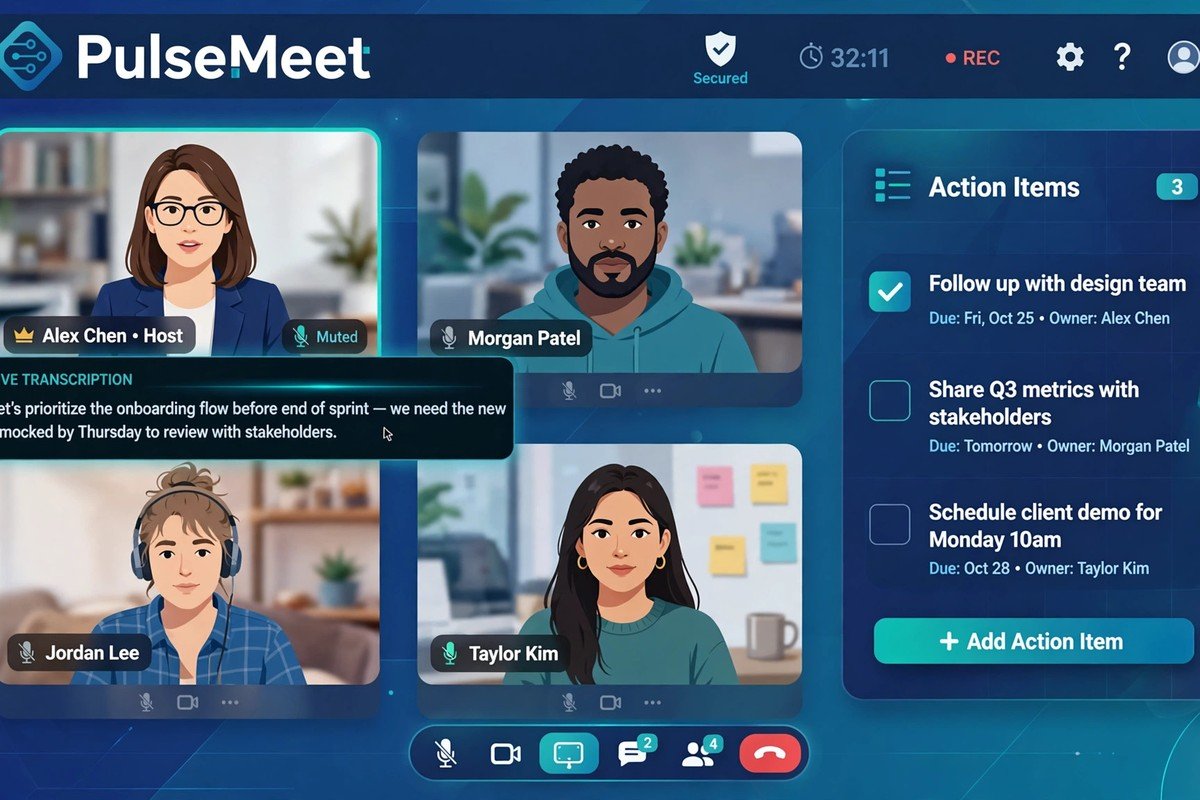
Artificial intelligence is changing the way businesses create products, automate tasks, and improve customer experiences. The concept of ai engineering: building applications with foundation models has become one of the most important topics in the technology industry. Organizations across different sectors are using advanced AI systems to develop smarter applications that can understand language, generate content, analyze data, and support decision-making processes.
As AI technology continues to evolve, developers and businesses are focusing on practical ways to integrate these powerful models into real-world applications. Understanding how foundation models work and how they can be deployed effectively is essential for building scalable and reliable AI solutions.
What Is AI Engineering?
AI engineering is the process of designing, developing, deploying, and maintaining artificial intelligence systems that solve real business problems. It combines software engineering, machine learning, data engineering, and cloud infrastructure to create applications powered by AI.
Unlike traditional software development, AI engineering focuses on systems that can learn from data, make predictions, and generate intelligent outputs. The goal is not only to build a model but also to ensure that it performs efficiently in production environments.
Modern AI engineering requires collaboration between data scientists, software developers, and infrastructure teams to create applications that are accurate, secure, and scalable.
Understanding Foundation Models
Foundation models are large AI models trained on massive datasets. These models learn patterns, relationships, and structures from diverse sources of information. Because of their broad training, they can perform a wide range of tasks without being built specifically for one purpose.
Examples of foundation model capabilities include:
- Text generation
- Language translation
- Content summarization
- Code generation
- Image analysis
- Question answering
- Sentiment analysis
Instead of creating separate models for every task, developers can adapt foundation models to meet specific business requirements. This approach saves time, reduces development costs, and improves efficiency.
Why Foundation Models Matter
Foundation models have transformed AI development because they provide a strong starting point for creating intelligent applications.
Faster Development
Developers no longer need to train complex models from scratch. Pre-trained foundation models can be integrated into applications quickly, reducing development time significantly.
Improved Performance
Since foundation models are trained on enormous datasets, they often achieve high performance across multiple tasks. This allows businesses to build reliable AI solutions with less effort.
Greater Flexibility
A single foundation model can support numerous use cases. Organizations can adapt the same model for customer service, content creation, data analysis, and many other applications.
Cost Efficiency
Training large AI models from scratch requires extensive computing resources. Using existing foundation models reduces infrastructure and operational costs.
Key Components of AI Engineering
Building successful AI applications involves several important components.
Data Management
Data serves as the foundation of every AI system. Engineers must collect, clean, organize, and store data properly to ensure reliable model performance.
High-quality data improves accuracy and reduces the chances of biased or incorrect outputs.
Model Selection
Choosing the right foundation model depends on the application’s requirements. Some models excel at language tasks, while others are optimized for image processing or multimodal applications.
Engineers evaluate factors such as performance, cost, scalability, and deployment requirements before selecting a model.
Application Integration
AI models must work seamlessly within existing software systems. Engineers develop APIs, user interfaces, and backend services that connect AI capabilities with business applications.
Monitoring and Maintenance
AI systems require continuous monitoring after deployment. Engineers track performance, identify errors, and update models when necessary to maintain quality and reliability.
Popular Applications Built with Foundation Models
Foundation models are being used across many industries to create innovative solutions.
Customer Support Automation
Businesses use AI-powered chatbots and virtual assistants to handle customer inquiries, provide information, and resolve common issues.
These systems improve response times and reduce operational costs while maintaining customer satisfaction.
Content Creation
Writers, marketers, and businesses use AI tools to generate articles, social media content, product descriptions, and marketing campaigns.
This helps teams produce content faster while maintaining consistency.
Healthcare Assistance
Healthcare organizations leverage AI applications to analyze medical records, support diagnoses, and assist healthcare professionals in making informed decisions.
AI can help streamline workflows and improve patient care.
Software Development
Developers use AI-powered coding assistants to generate code suggestions, identify bugs, and automate repetitive programming tasks.
This increases productivity and accelerates development cycles.
Financial Services
Financial institutions use foundation models for fraud detection, risk assessment, customer support, and market analysis.
AI helps organizations make data-driven decisions while improving operational efficiency.
Challenges in AI Engineering
Although foundation models offer significant advantages, implementing them comes with several challenges.
Data Privacy and Security
Organizations must ensure that sensitive information is protected when using AI systems. Proper security measures and compliance standards are essential.
Model Bias
AI models can sometimes reflect biases present in their training data. Engineers must carefully evaluate outputs and implement safeguards to promote fairness.
Infrastructure Costs
Running large AI models may require substantial computing resources. Businesses need efficient infrastructure strategies to manage costs effectively.
Reliability and Accuracy
AI-generated responses may occasionally contain errors or misleading information. Continuous testing and monitoring help maintain quality standards.
Best Practices for Building AI Applications
Organizations can improve project success by following proven AI engineering practices.
Define Clear Objectives
Before starting development, teams should identify specific business goals and expected outcomes. Clear objectives help guide technical decisions throughout the project.
Start with a Pilot Project
Launching a smaller pilot project allows organizations to evaluate performance and identify challenges before scaling the solution.
Focus on User Experience
AI applications should provide meaningful value to users. Simple interfaces and intuitive interactions improve adoption and satisfaction.
Implement Human Oversight
Human review remains important, especially in high-stakes industries such as healthcare, finance, and legal services.
Monitor Performance Continuously
Regular monitoring helps identify issues, optimize performance, and ensure that applications continue delivering accurate results.
The Future of AI Engineering
The future of AI engineering looks highly promising. Foundation models are becoming more capable, efficient, and accessible. Businesses are expected to integrate AI into an increasing number of products and services.
Several trends are likely to shape the future:
- More personalized AI experiences
- Improved multimodal capabilities
- Better model efficiency
- Enhanced security and governance
- Wider adoption across industries
- Increased automation of complex tasks
As technology advances, AI engineering will continue playing a central role in digital transformation efforts worldwide.
Conclusion
AI engineering is rapidly becoming a critical discipline for organizations seeking to leverage artificial intelligence effectively. Foundation models have simplified the process of building intelligent applications by providing powerful pre-trained capabilities that can be adapted for a wide range of use cases.
From customer support and content creation to healthcare and software development, these models are driving innovation across industries. While challenges such as security, bias, AI Engineering: Building Powerful Applications with Modern Foundation Models and infrastructure costs remain important considerations, organizations that follow best practices can build scalable and reliable AI solutions.
As foundation models continue to evolve, AI engineering will become even more important in creating applications that deliver meaningful business value and improved user experiences.