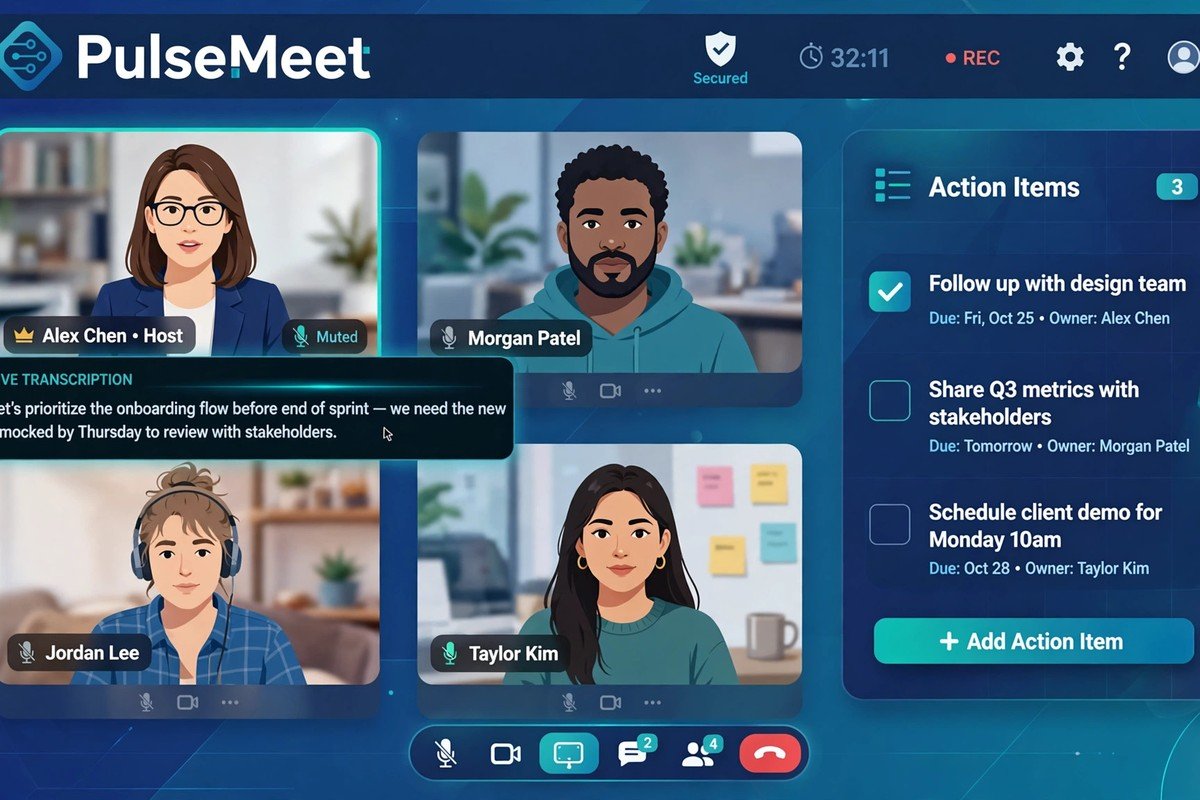
Artificial Intelligence Operations (AIOps) is changing the way businesses manage IT systems and digital services. Today, every technology solutions professional needs to understand how AI can improve operations, reduce downtime, and increase efficiency. AIOps combines artificial intelligence, machine learning, and data analytics to automate IT tasks and help organizations make smarter decisions. As businesses continue to rely on Technology Solutions Professional, AIOps has become an important part of modern IT management.
What Is AIOps?
AIOps stands for Artificial Intelligence for IT Operations. It uses advanced technologies to analyze large amounts of data generated by IT systems. The goal is to identify issues, predict problems, and automate routine tasks before they affect business operations.
Traditional IT management often requires teams to manually monitor systems and troubleshoot problems. AIOps simplifies this process by using intelligent tools that can detect patterns and provide actionable insights in real time.
Why AIOps Matters in Modern Businesses
Modern organizations generate massive amounts of data every day. Managing this data manually can be time-consuming and inefficient. AIOps helps businesses:
- Improve system performance
- Reduce operational costs
- Detect issues faster
- Minimize downtime
- Increase productivity
- Enhance customer experience
As digital transformation continues to grow, companies need smarter ways to manage their IT environments. AIOps provides the automation and intelligence needed to keep systems running smoothly.
Key Benefits of AIOps
Faster Problem Detection
One of the biggest advantages of AIOps is its ability to identify issues quickly. AI-powered systems can continuously monitor networks, applications, and infrastructure to detect unusual behavior before it becomes a major problem.
Improved Operational Efficiency
AIOps automates repetitive tasks such as log analysis, alert management, and performance monitoring. This allows IT teams to focus on more strategic activities instead of spending hours on manual work.
Better Decision-Making
By analyzing historical and real-time data, AIOps provides valuable insights that help organizations make informed decisions. Teams can understand trends, predict future challenges, and optimize resources effectively.
Reduced Downtime
Unexpected outages can impact revenue and customer satisfaction. AIOps helps prevent downtime by identifying potential failures early and recommending corrective actions before problems occur.
Essential AI Ops Tips for Success
Start with Clear Objectives
Before implementing AIOps, define your goals. Determine what challenges you want to solve, whether it is reducing downtime, improving performance, or increasing automation.
Having clear objectives helps ensure successful adoption and measurable results.
Focus on Data Quality
AI systems rely heavily on data. Poor-quality data can lead to inaccurate insights and ineffective automation.
To improve AIOps performance:
- Remove duplicate records
- Standardize data formats
- Ensure data accuracy
- Maintain updated datasets
Clean and reliable data forms the foundation of successful AIOps initiatives.
Automate Routine Tasks
Automation is one of the strongest features of AIOps. Identify repetitive tasks that consume valuable time and automate them whenever possible.
Examples include:
- Incident management
- System monitoring
- Alert filtering
- Performance reporting
Automation improves efficiency and reduces the risk of human error.
Monitor Performance Continuously
Continuous monitoring helps organizations stay informed about system health. AI-powered monitoring tools can analyze performance metrics in real time and alert teams when unusual activity occurs.
Regular monitoring enables proactive problem resolution and supports business continuity.
Building an Effective AIOps Strategy
Integrate Multiple Data Sources
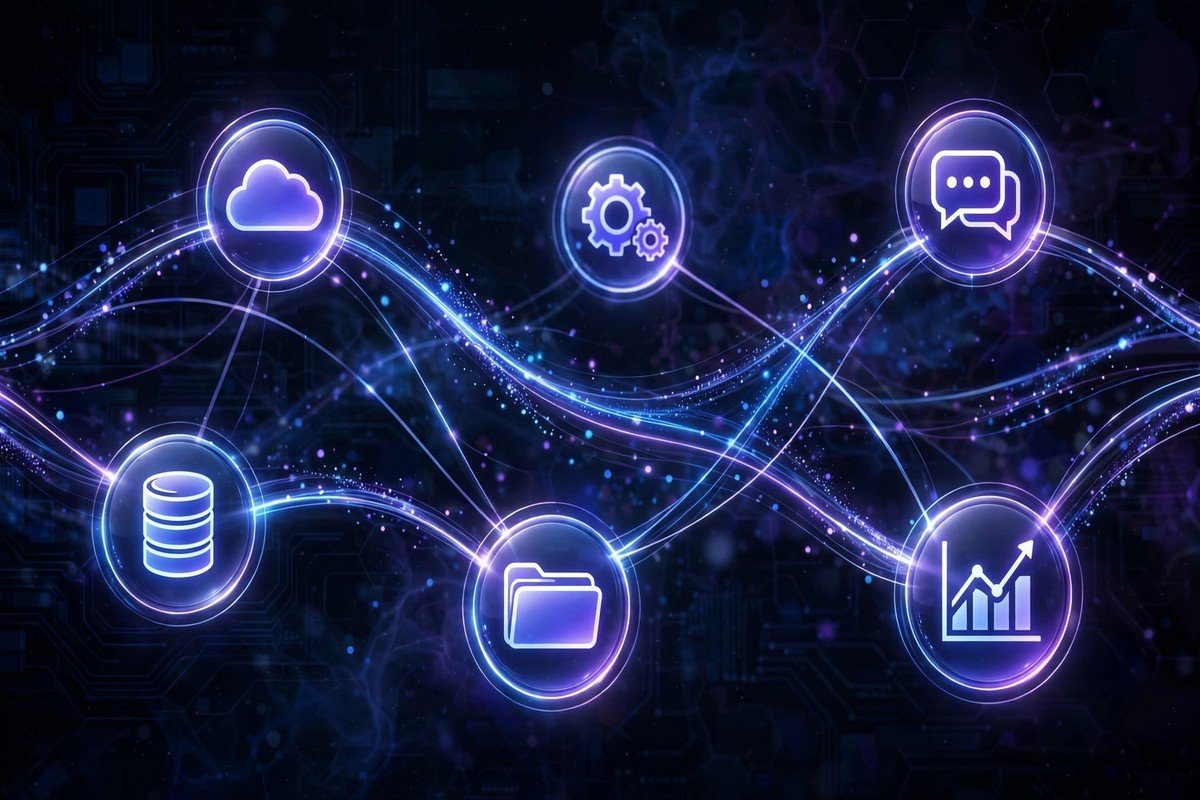
AIOps platforms perform best when they have access to diverse data sources. These may include:
- Network logs
- Application metrics
- Cloud infrastructure data
- Security events
- User activity records
Combining data from multiple sources creates a more complete view of the IT environment.
Encourage Team Collaboration
Successful AIOps implementation requires collaboration between different departments. IT operations, security teams, developers, and business leaders should work together to achieve common goals.
Strong communication improves efficiency and ensures everyone benefits from AI-driven insights.
Invest in Employee Training
Technology Solutions Professional evolves rapidly, and teams need the right skills to maximize AIOps capabilities. Regular training helps employees understand:
- AI fundamentals
- Machine learning concepts
- Data analytics techniques
- Automation tools
Well-trained teams can make better use of AIOps technologies and achieve stronger results.
Common Challenges in AIOps Adoption
Data Overload
Organizations often struggle with the large volume of data generated by modern systems. Without proper filtering and analysis, important information can be difficult to identify.
AIOps addresses this challenge by automatically prioritizing relevant insights and reducing noise.
Integration Complexity
Many businesses use multiple software platforms and infrastructure solutions. Integrating these systems into a unified AIOps environment can be challenging.
A phased implementation approach can simplify integration and reduce disruption.
Resistance to Change
Employees may hesitate to adopt new technologies due to concerns about complexity or job security. Clear communication and training can help build confidence and encourage acceptance.
Best Practices for Long-Term AIOps Success
Use Predictive Analytics
Predictive analytics helps organizations anticipate issues before they occur. By analyzing trends and historical data, AIOps tools can forecast potential failures and recommend preventive actions.
Measure Key Performance Indicators
Track important metrics to evaluate the effectiveness of your AIOps strategy. Common KPIs include:
- Mean Time to Resolution (MTTR)
- System availability
- Incident response time
- Operational efficiency
- Cost savings
Regular measurement helps identify areas for improvement.
Keep Systems Updated
AI models and software tools require ongoing updates to maintain accuracy and effectiveness. Regular maintenance ensures optimal performance and better results over time.
Prioritize Security
Security should remain a top priority in every AIOps initiative. Implement strong access controls, encryption, and monitoring practices to protect sensitive information and maintain compliance.
Future Trends in AIOps
The future of AIOps looks promising as AI Technology Solutions Professional continues to advance. Some emerging trends include:
Hyperautomation
Businesses are increasingly combining AI, machine learning, and robotic process automation to create highly automated workflows.
Advanced Predictive Intelligence
Future AIOps platforms will offer even more accurate forecasting capabilities, helping organizations prevent disruptions before they happen.
Enhanced Cloud Management
As cloud adoption grows, AIOps tools will play a larger role in optimizing cloud performance, cost management, and resource allocation.
Smarter Security Operations
AI-driven security monitoring will become more sophisticated, enabling faster threat detection and stronger protection against cyber risks.
Conclusion
AIOps is transforming the way organizations manage IT operations. By leveraging artificial intelligence, businesses can improve efficiency, reduce downtime, and gain valuable insights from their data. Successful AIOps adoption requires clear goals, high-quality data, continuous monitoring, and ongoing employee training. As Technology Solutions Professional continues to evolve, organizations that embrace AIOps will be better positioned to improve performance, enhance customer experiences, and stay competitive in a rapidly changing digital landscape.