Why Ai Automation Agency Cold Outreach Fails 2026
- July 5, 2026
- 0
Cold outreach used to be simple. Send enough emails, get enough replies, book enough calls. That model is breaking down fast, and nowhere is this more visible than

Cold outreach used to be simple. Send enough emails, get enough replies, book enough calls. That model is breaking down fast, and nowhere is this more visible than

Cold outreach used to be simple. Send enough emails, get enough replies, book enough calls. That model is breaking down fast, and nowhere is this more visible than in the AI automation space. Prospects are tired of robotic pitches, inbox filters are smarter, and everyone claims to offer the same “AI-powered solution.” The result is that AI automation agency cold outreach fails more often than it succeeds, and most agencies do not fully understand why.
This article breaks down the real reasons behind this decline, backed by practical examples, current industry patterns, and expert-level fixes you can apply straight away.
AI automation agency cold outreach fails mainly because messages are generic, over-automated, and easy for both spam filters and humans to spot as low-effort, mass-produced pitches.
AI automation agency cold outreach refers to the emails, LinkedIn messages, or calls that AI automation agencies send to prospects who have not previously engaged with them. The goal is to introduce automation services, such as chatbot builds, workflow automation, or AI-driven lead generation, to businesses that may benefit from them.
In theory, this should work well. Automation agencies sell efficiency, and cold outreach is meant to be an efficient channel. In practice, the tools used to scale outreach have created the exact problems they were meant to solve.

Most outreach templates open with a variation of “I help businesses like yours automate X.” This says nothing about the prospect’s actual situation. Buyers can tell within seconds whether a message was written for them or copy-pasted across a list of five hundred contacts.
There is a difference between using AI to speed up research and using AI to skip research entirely. When personalisation fields are wrong, when the “pain point” mentioned does not match the business, or when the tone feels inserted rather than written, it reads as spam regardless of how good the offer actually is.
Email providers have significantly improved spam detection, particularly around sending patterns, domain reputation, and repetitive phrasing common in AI-generated messages. Many automation agencies are still using sending practices designed for 2021, which now trigger filters designed for 2026.
Ironically, agencies selling AI automation often sound the most obviously AI-written. Overuse of phrases like “unlock your potential” or “revolutionise your workflow” has trained prospects to recognise and ignore this pattern instantly.
Getting this right is not just about avoiding failure. A corrected approach delivers real, measurable gains:
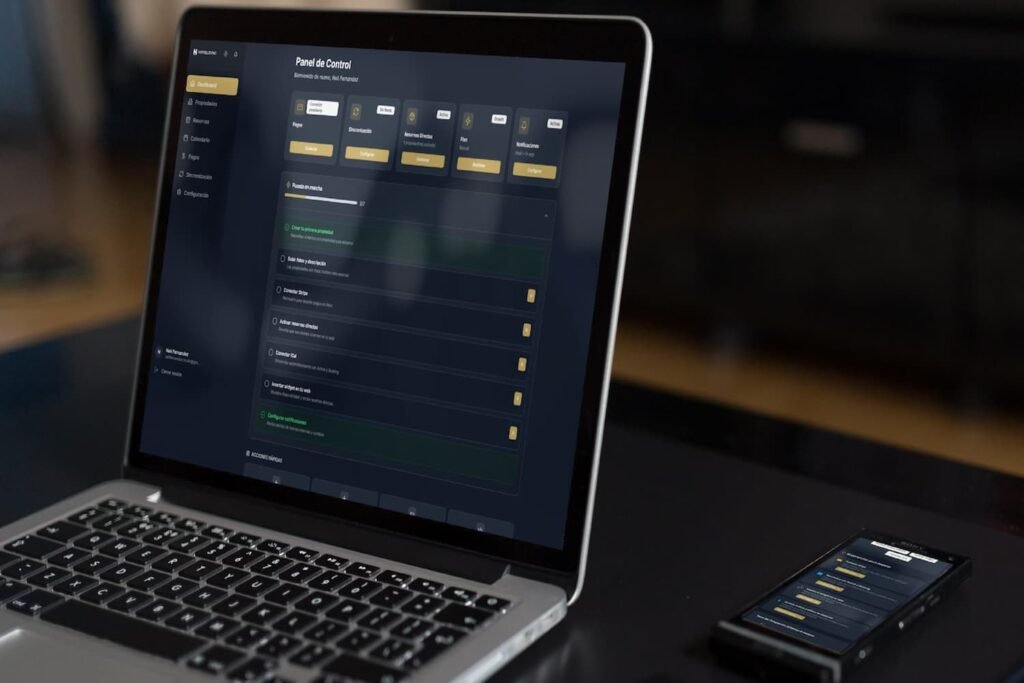
Example 1: Niche-specific messaging. An automation agency targeting dental clinics saw better response rates after referencing specific booking software the clinics already used, rather than sending a generic “we automate appointment booking” line.
Example 2: Trigger-based outreach. Instead of cold emailing a static list, one agency began reaching out only after a prospect posted a hiring ad for a role AI automation could replace or support. This context-driven approach consistently outperformed broad list-based sending.
| Approach | Personalisation Level | Typical Reply Rate Trend | Risk of Spam Flagging |
| Traditional manual outreach | High | Moderate | Low |
| Fully automated, templated outreach | Low | Declining | High |
| Optimised hybrid (AI-assisted, human-reviewed) | High | Improving | Low to moderate |
Cold outreach benchmarks shift regularly as email providers update filtering algorithms and buyer behaviour evolves. Based on current industry patterns:
Note: exact percentage figures change frequently across reporting platforms. Before publishing, it is worth pulling the latest verified numbers from a current outreach or email deliverability report to keep this section accurate and citable.
AI automation agency cold outreach fails when speed and scale are prioritised over relevance and trust. Fixing this does not require abandoning automation. It requires using it more carefully, with Ai Search Monitoring Tools genuine research, tighter targeting, and human oversight before anything gets sent. Agencies that adjust their approach now will stand out in an inbox that is only getting more competitive.
If your outreach results have been slipping, start by auditing your last twenty sent messages for genuine personalisation. That single exercise usually reveals exactly why replies have dried up.
1.Why is cold outreach failing for AI automation agencies specifically?
Because many agencies rely on templated, AI-generated messaging that prospects and spam filters now recognise instantly as low-effort.
2.Is cold email still worth doing in 2026?
Yes, but only when it is well-targeted, personalised, and paired with strong deliverability practices.
3.How can AI actually help cold outreach instead of hurting it?
By speeding up research and list segmentation, while leaving final message writing and review to a human.
4.What is the biggest red flag in a failing outreach campaign?
Very low reply rates combined with high send volume usually signals a targeting or personalisation problem, not a volume problem.
5.Should agencies stop automating outreach completely?
No. The fix is smarter automation, not zero automation, with clear human checkpoints before messages go out.