What Is Smart Response Technology
- July 21, 2026
- 0
Smart response technology is a form of artificial intelligence that reads incoming messages, works out their meaning, and automatically suggests or generates a relevant reply. You’ll find it

Smart response technology is a form of artificial intelligence that reads incoming messages, works out their meaning, and automatically suggests or generates a relevant reply. You’ll find it

Smart response technology is a form of artificial intelligence that reads incoming messages, works out their meaning, and automatically suggests or generates a relevant reply. You’ll find it inside email platforms, live chat tools, CRM systems and voice assistants, where it helps people and businesses respond faster without losing a personal touch. It sits at the intersection of natural language processing (NLP), machine learning and everyday customer communication.
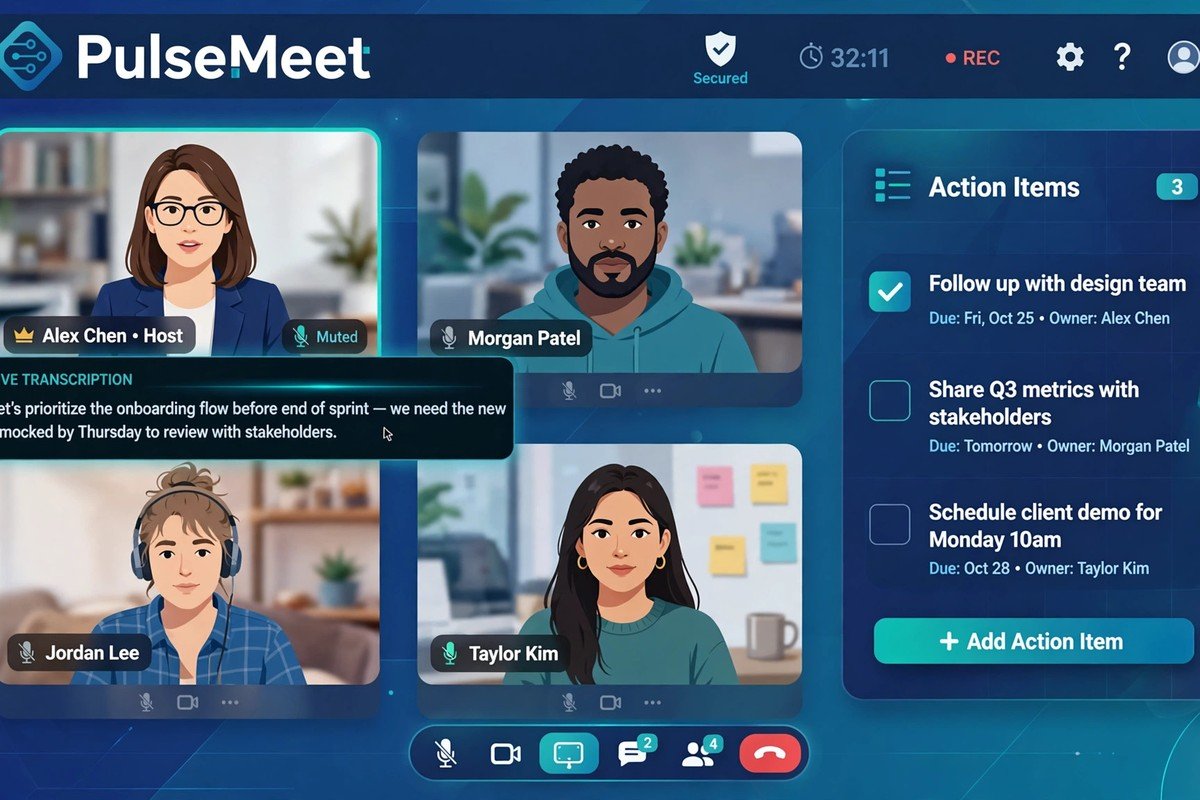
Smart response technology is AI software that analyses the content, tone and intent of an incoming message, whether that’s an email, chat, support ticket or voice query, and then produces a contextually appropriate response. This can either be a suggestion for a human to approve or a fully automated reply.
Most systems follow a similar process, even though the underlying models differ between vendors.
Gmail’s Smart Reply feature, first introduced in Google’s Inbox app in 2015 before later rolling out to Gmail itself, is one of the earliest examples most people will recognise.
Smart response technology has moved well beyond email. Common applications include:
| Feature | Traditional Autoresponder | Smart Response Technology |
| Personalisation | Fixed, generic text | Tailored to the specific message |
| Context awareness | None | Uses conversation history and account data |
| Tone matching | Not possible | Adjusts tone to suit the situation |
| Learning over time | Static | Improves with usage and feedback |
| Setup effort | Low | Moderate, needs training and rules |
Benefits
Limitations
A balanced view matters here. Smart response technology works best as a support for people rather than a full replacement for them, especially where empathy or complex problem-solving is needed.
As language models continue to improve, smart response technology is likely to become more conversational, more accurate at reading intent, and better integrated across multiple channels at once. Businesses that adopt it thoughtfully, with clear rules about where automation stops and human input begins, tend to see the strongest results.
Smart response technology has quickly become a practical tool for businesses that need to reply faster without sacrificing quality. By understanding what smart response Technology Services is, how it works and where it fits best, teams can make more informed decisions about where to automate and where human input still matters most.
1.Is smart response technology the same as a chatbot?
Not exactly. A chatbot is a full conversational interface, whereas smart response technology often works in the background, suggesting or drafting replies within existing tools like email or helpdesk software.
2.Does smart response technology work in real time?
Yes, in most cases. The system analyses incoming messages and generates a suggested or automatic reply within seconds, which is one of its main advantages for customer-facing teams.
3.Can smart response technology replace human customer service teams?
It can handle a large share of routine queries, but it’s generally best used alongside human staff rather than as a full replacement, particularly for complex or sensitive issues.
4.Is smart response technology accurate?
Accuracy depends heavily on the quality of the training data and how well the system understands your specific business context. Regular review and refinement improve results over time.
5.Which industries use smart response technology the most?
E-commerce, SaaS, telecoms and financial services are among the heaviest users, largely because they handle high volumes of repetitive customer queries.