The Jeep Wrangler is built for adventure, offering removable roof panels, rugged construction, and impressive off-road capabilities. However, these features can also introduce unwanted cabin noise during everyday
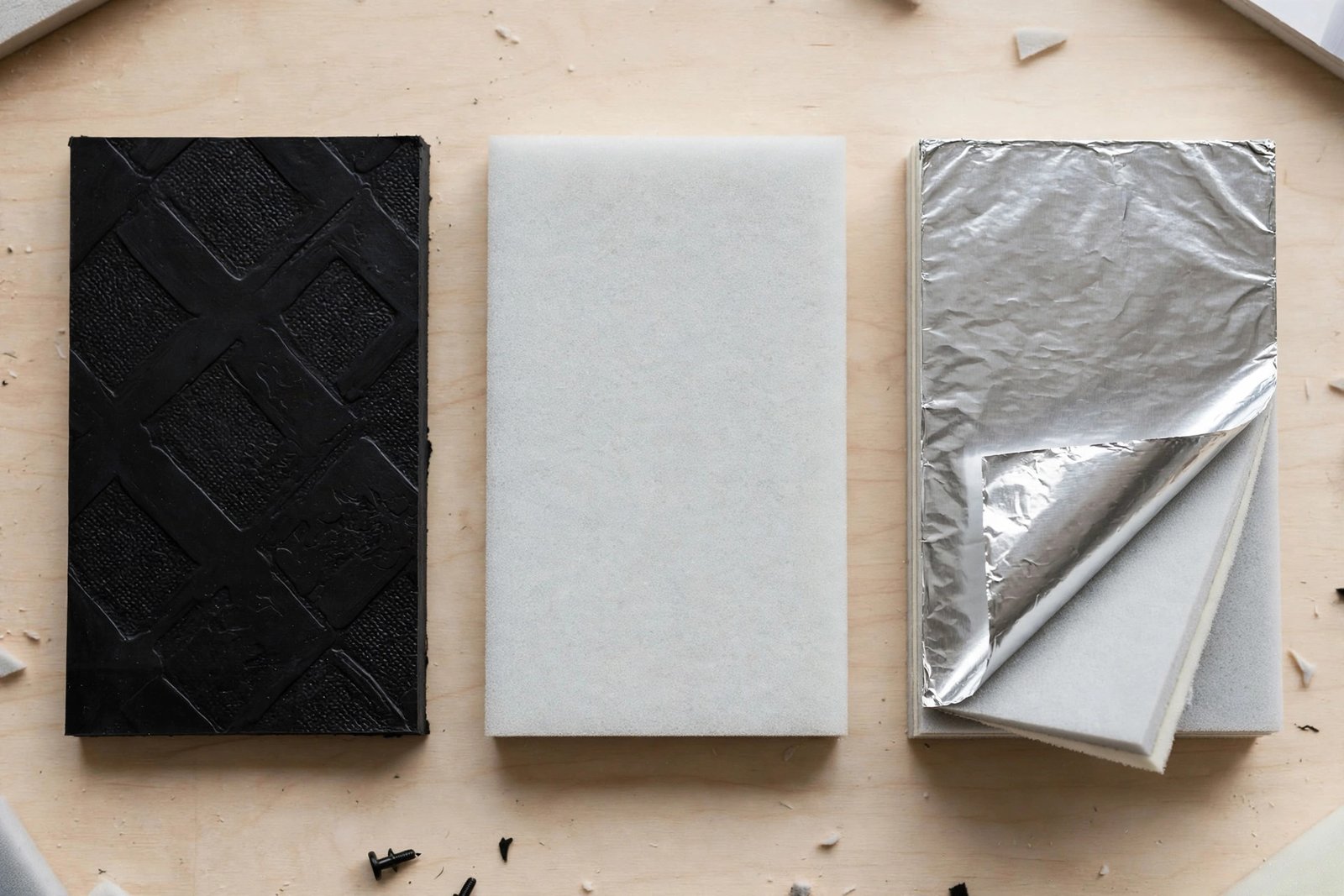
The Jeep Wrangler is built for adventure, offering removable roof panels, rugged construction, and impressive off-road capabilities. However, these features can also introduce unwanted cabin noise during everyday driving. Tire roar, wind turbulence, metal-panel vibrations, and road disturbances can affect interior comfort, particularly during long highway journeys. Choosing the right Jeep Wrangler acoustic treatment materials can help address these problems while creating a more enjoyable driving environment. Among the most commonly used automotive solutions are butyl rubber damping sheets, closed-cell foam, and multi-layer insulation systems. Understanding how each material works makes it easier to select an effective combination for different areas of the Wrangler.
Why Does the Jeep Wrangler Need Acoustic Treatment?
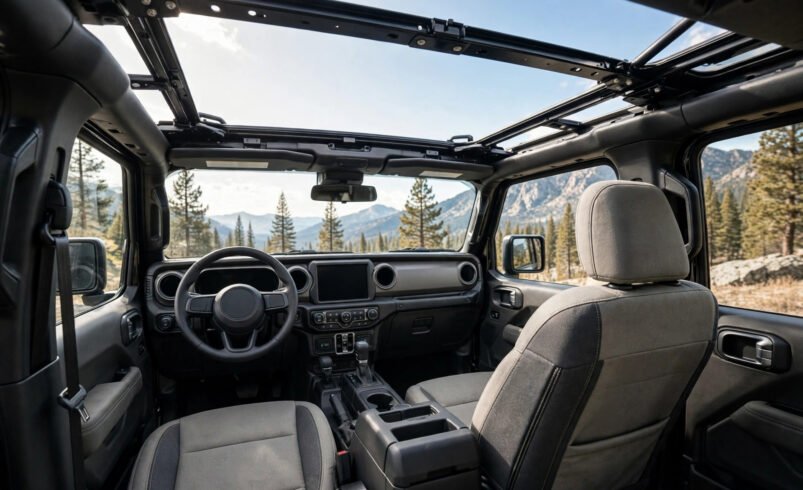
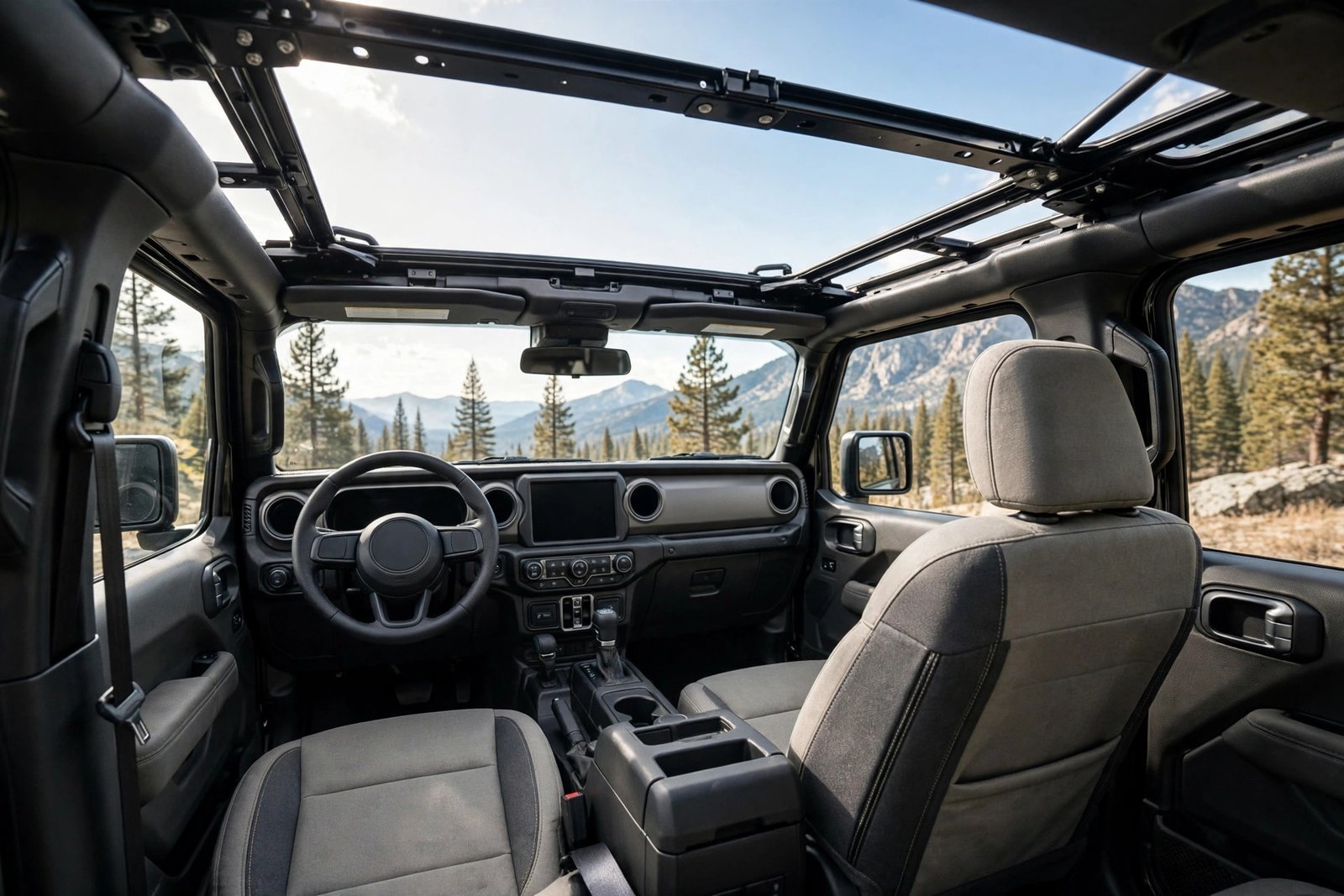
Unlike many conventional SUVs, the Wrangler is designed with removable doors and roof configurations. Although this flexibility makes it popular among outdoor enthusiasts, it can create additional challenges when controlling interior noise.
Common Sources of Cabin Noise
Tires generate vibrations as they move across asphalt, gravel, and uneven terrain. These vibrations travel through the suspension and vehicle body, eventually becoming noticeable inside the passenger compartment. Larger all-terrain tires can make this problem more apparent.
Wind noise is another consideration, especially around removable roof panels, door seals, windows, and windshield edges. Meanwhile, metal body panels can resonate when exposed to road movement, engine operation, and aftermarket audio systems.
Why Material Selection Matters
Different materials address different acoustic problems. Butyl rubber primarily controls structural vibrations, foam provides additional acoustic and thermal insulation, and multi-layer products combine complementary properties. Selecting materials according to their intended function is more effective than relying on one product for every noise-related concern.
Comparing the Three Main Jeep Wrangler Acoustic Treatment Materials
Understanding the differences between these insulation options helps Wrangler owners make better decisions based on their vehicle’s configuration and driving requirements.
1. Butyl Rubber: Effective Control of Metal-Panel Vibrations
Butyl rubber damping sheets are widely used in automotive sound-deadening applications because they help reduce vibrations in metal surfaces. Their flexible construction allows them to bond to suitable sections of vehicle doors, floors, trunks, and other body panels.
When the Wrangler travels over rough surfaces, its metal panels can vibrate and produce unwanted resonance. Applying butyl damping material to these sections helps control that movement and minimize booming sounds.
Best applications: Door skins, floorboards, transmission tunnels, rear cargo panels, and other accessible metal surfaces.
Main advantage: Vibration control and reduced panel resonance.
Installation consideration: Surfaces must be clean, dry, and properly prepared to support reliable adhesion.
2. Closed-Cell Foam: Additional Acoustic and Thermal Insulation
Closed-cell foam serves a different purpose from vibration-damping sheets. Its lightweight cellular structure makes it useful for additional insulation in suitable interior applications.
In a Wrangler, foam can be installed over compatible treated surfaces to provide another layer of acoustic separation. It can also help manage thermal transfer, making it useful when improving the overall interior environment.
SoundSkins foam products offer options for automotive applications where additional insulation is desired. Foam thickness and placement should be selected carefully to prevent interference with interior trim and removable components.
Best applications: Suitable door cavities, interior panels, selected floor sections, and compatible headliner areas.
Main advantage: Additional insulation with relatively low weight.
Installation consideration: Choose automotive-compatible foam and avoid obstructing drainage openings or ventilation passages.
3. Multi-Layer Insulation: Combining Different Acoustic Properties
Multi-layer insulation systems combine materials designed to address more than one aspect of unwanted cabin noise. Depending on their construction, these products may incorporate vibration-damping compounds, protective foil, and acoustic foam.
For Wrangler owners seeking a more comprehensive upgrade, layered systems can provide a practical solution for treating selected interior areas without sourcing several separate materials.
SoundSkins offers multi-layer automotive sound-deadening solutions designed for vehicle interior applications. These products can be considered for projects involving doors, floors, and other suitable body sections.
Best applications: Larger interior treatment projects, floors, doors, and selected cargo-area surfaces.
Main advantage: Combines complementary insulation functions in one product construction.
Installation consideration: Check product thickness, material compatibility, and available installation clearance before application.
Which Material Should You Use in Different Jeep Wrangler Areas?
The most effective treatment strategy depends on where unwanted noise originates.
Doors and Speaker Enclosures
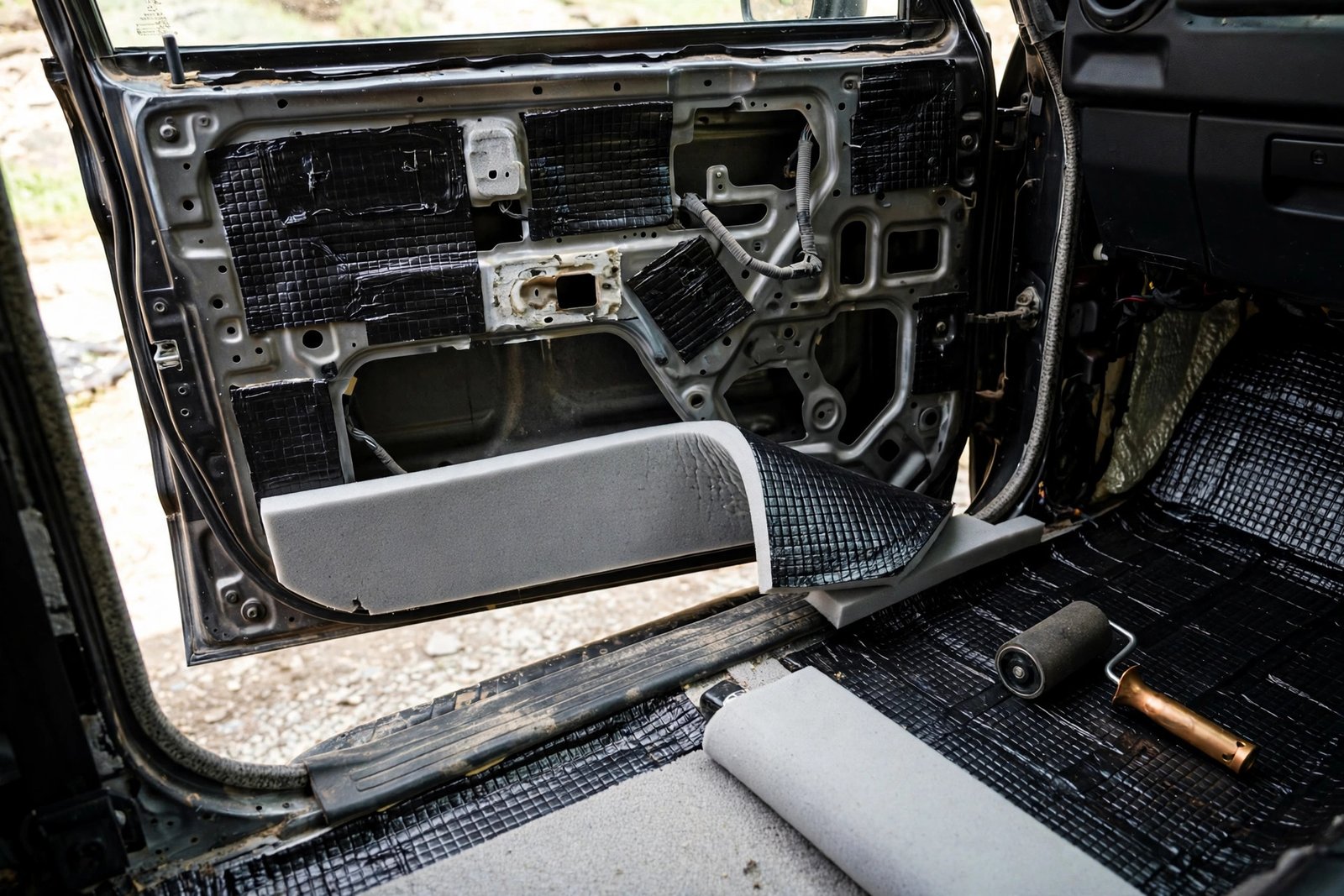
Butyl damping sheets are useful for controlling vibrations across metal door panels. Compatible foam can provide additional treatment around speaker areas and suitable interior cavities. This combination is particularly beneficial for owners upgrading their factory speakers or installing aftermarket audio equipment.
Floorboards and Transmission Tunnel
The floor receives considerable vibration from tires, suspension movement, and drivetrain components. Butyl damping material can help control panel resonance, while additional insulation layers can improve the overall acoustic environment.
Roof Panels and Headliner
Roof treatment requires particular attention because Wrangler configurations vary between hardtops, soft tops, and removable panels. Suitable insulation beneath compatible interior sections can help manage panel resonance. However, damaged seals and poorly fitted roof components should be corrected separately.
Rear Cargo and Wheel-Well Areas
The rear cargo section can experience vibration from road movement and equipment carried inside the vehicle. Applying suitable damping materials to accessible metal surfaces can help control rattles and unwanted resonance.
How to Combine Foam, Butyl, and Insulation Layers Correctly
A well-planned acoustic upgrade begins by identifying the areas responsible for the most noticeable noise. Start by removing the necessary interior trim and cleaning the exposed metal surfaces.
Apply butyl damping sheets to suitable resonant panels according to the manufacturer’s installation instructions. Ensure proper contact between the material and metal surface. Once the damping layer is installed, add compatible closed-cell foam or a suitable multi-layer product where additional insulation is needed.
Avoid excessive material buildup, especially around door mechanisms, seat mounting points, electrical wiring, airbags, and removable roof components. Keep factory drainage channels and ventilation openings clear.
For the best outcome, prioritize high-noise areas instead of adding unnecessary material throughout the entire vehicle.
Frequently Asked Questions (FAQs)
1. Is Butyl Rubber Better Than Foam for Jeep Wrangler Sound Deadening?
Neither material is universally better because they perform different functions. Butyl rubber helps control metal-panel vibrations, while closed-cell foam provides additional acoustic and thermal insulation. Combining compatible materials can deliver more comprehensive results.
2. Can Closed-Cell Foam Reduce Road Noise in a Jeep Wrangler?
Closed-cell foam can contribute to interior acoustic insulation when installed in appropriate locations. However, it should not replace vibration-damping material when the primary problem is resonating metal panels.
3. What Is the Best Sound-Deadening Material Combination for a Jeep Wrangler?
A combination of butyl rubber damping sheets and compatible closed-cell foam is a practical starting point. Multi-layer insulation products can also simplify treatment by combining different material functions in one system.