Are AI Smart Glasses Worth It? The Honest Buyers Guide
- November 7, 2026
- 0
Are AI Smart Glasses Worth It? The Honest Buyers Guide Are AI smart glasses worth it in 2026? For a growing number of buyers, the answer is finally

Are AI Smart Glasses Worth It? The Honest Buyers Guide Are AI smart glasses worth it in 2026? For a growing number of buyers, the answer is finally
Are AI smart glasses worth it in 2026? For a growing number of buyers, the answer is finally yes, but only if you buy the right type for the right reason. This guide compares the models you can actually buy in November 2026, with prices and specs checked against Meta’s own announcements and current listings.
We did not test these glasses hands-on. Every price, battery figure and spec below comes from the makers’ own pages or launch coverage from September and October 2026, and prices change often, so confirm the current price on the maker’s store before you buy.
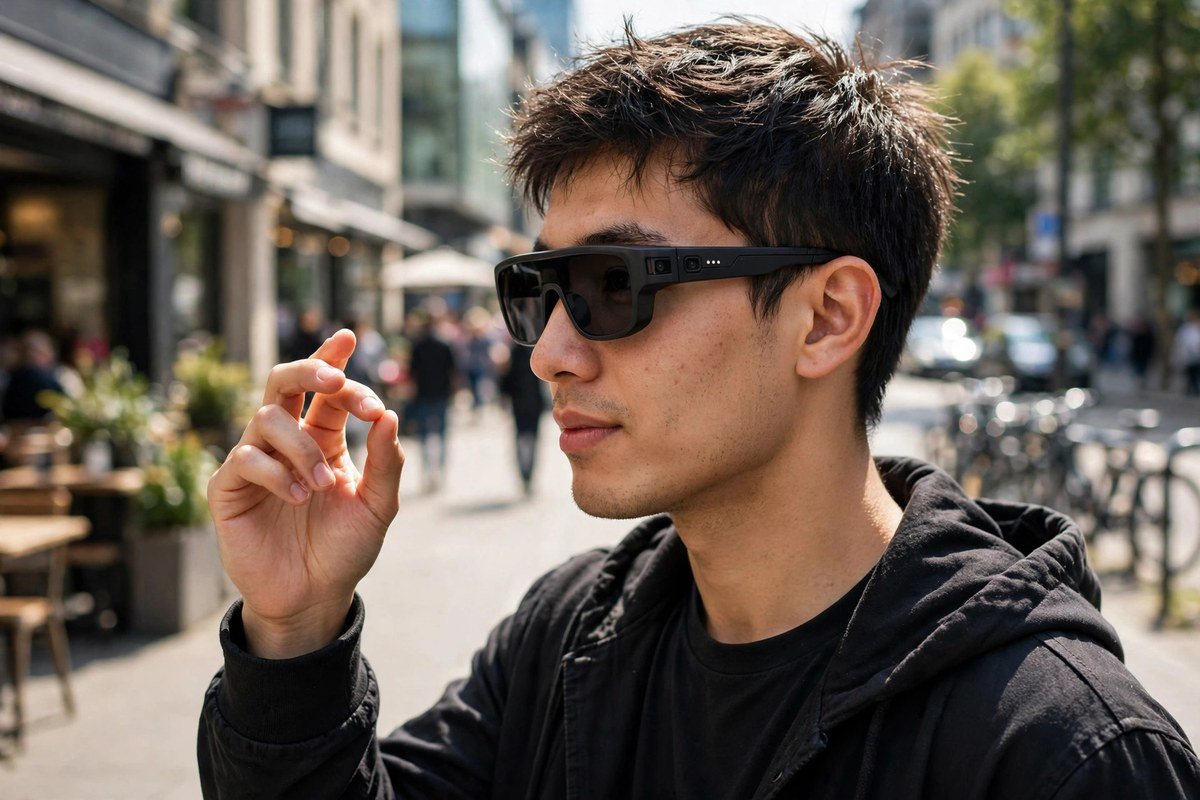
Yes, if you will use the hands-free camera or the voice assistant every single day. Commuters who take calls on the move, parents who want to catch a moment without reaching for a phone, travellers who want a first-person camera, and creators who film short-form video all get real daily value from a pair that costs from $249. No, if you mainly want notifications on your face, a big screen, or a phone replacement: a smartwatch handles notifications for less money, display glasses still cost $599 to $799 for a small text window, and no pair of glasses replaces a phone yet.
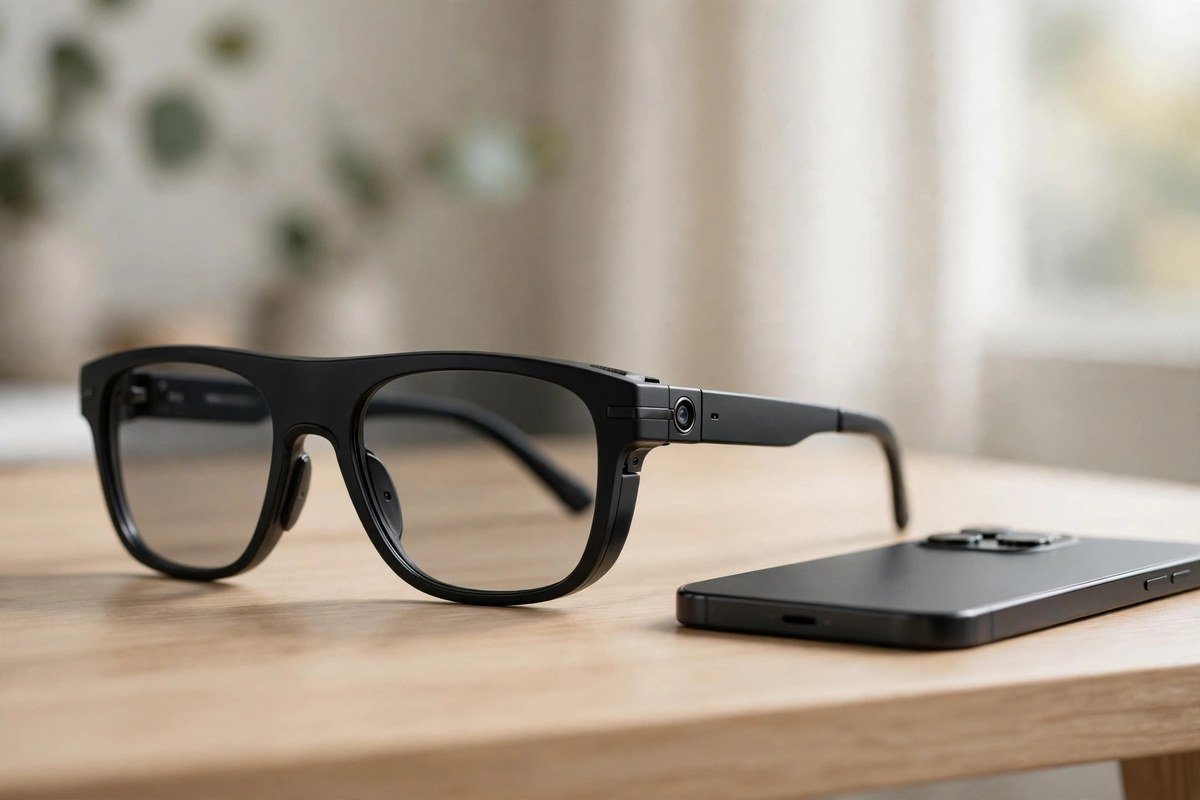
AI smart glasses are normal-looking glasses with a small computer in the frame: microphones, open-ear speakers, and on most models a camera, all linked to a phone app and an AI assistant. You ask questions out loud, take photos and video hands-free, take calls, play music, and get translations without touching your phone. Ask what building you are looking at or what a sign says in another language, and the camera gives the AI the context to answer.
The category splits into three types, and buying the wrong type is the most common and most expensive mistake. Camera and audio glasses, such as Ray-Ban Meta and Oakley Meta, have a camera and an assistant but no screen. Display glasses, such as Meta Ray-Ban Display and Even Realities G2, add a small screen inside the lens for messages, directions and captions. Tethered display glasses plug into a phone or laptop and act as a large private screen, but they are not everyday AI glasses. The assistant you get depends on the brand: Meta glasses use Meta AI, while Samsung’s upcoming glasses will use Google Gemini. Our ChatGPT vs Claude vs Gemini comparison explains how the big AI assistants differ in everyday use.
| Model | Price from | Type | Battery (glasses) | Camera |
|---|---|---|---|---|
| Meta Adventurer | $249 | Camera + AI | Not stated separately | Yes, 3K video |
| Ray-Ban Meta Audio | $349 | Audio + AI, no camera | Up to 12 hours | No |
| Ray-Ban Meta Gen 2 | $379 | Camera + AI | Up to 8 hours | Yes, 12MP, 3K video |
| Oakley Meta HSTN | $399 | Camera + AI, sport | Up to 8 hours | Yes, 3K video |
| Ray-Ban Meta Gen 3 | $449 | Camera + AI | Up to 9 hours | Yes, 12MP, 3K video |
| Oakley Meta Vanguard | $499 | Camera + AI, sport | Up to 9 hours | Yes, 12MP, 3K video |
| Even Realities G2 | About $599 | Display, no camera | Up to 2 days | No |
| Meta Ray-Ban Display | $799 | Display + camera | About 6 hours | Yes |
| Rokid AI Glasses Style | About $299 | Camera + AI | About 12 hours | Yes |
Prices are US starting prices as of November 2026. Prescription lenses and Transitions lenses cost extra on most models.
Ray-Ban Meta Gen 3 went on sale on 23 September 2026 from $449, which is $70 more than Gen 2 at $379. Here is the honest part: the camera has not changed. Both generations shoot 12MP photos and 3K video, according to Meta’s own comparison table. What the extra $70 buys is one more hour of battery (up to 9 hours instead of 8), a six-microphone array that Meta says cuts more than 90 percent of background noise, a customisable action button for Meta AI, and new Aviator and Zena frames.
Our verdict: buy Gen 3 if battery life and call quality matter to you, or if you want the new frame styles. Buy Gen 2 if you want the best value, because the photos and video you capture are the same. If you are weighing other wearable hardware at the same time, our guide on whether an AI PC is worth buying covers the other big 2026 hardware question.
Meta Adventurer is the lowest-priced pair in the current lineup at $249, and it reached shops on 23 October 2026. It has built-in Meta AI and 3K video, and it comes with a plug-in charging case. It is the sensible first pair if you want to find out whether you will use a face camera at all. Rokid AI Glasses Style, at about $299, is the strongest non-Meta budget pick: under 40 grams, about 12 hours of battery, and a choice of which AI model powers the assistant. The catch is a smaller app ecosystem than Meta’s.
Not everyone wants a camera on their face. Ray-Ban Meta Audio, launched at the same September event as Gen 3, is Meta’s first pair of glasses without a camera. It weighs 43 grams, runs up to 12 hours on a charge with up to 48 hours from the case, supports prescription lenses, and started shipping on 13 October 2026. It suits people who mostly want calls, music and an assistant.
Meta Ray-Ban Display costs $799 and includes the Neural Band wristband, which reads tiny finger movements so you never have to touch the glasses. It puts a bright full-colour display inside the right lens, so you can read messages, follow walking directions, see live captions and view AI answers instead of hearing them. Battery is about 6 hours, the shortest in this guide, and availability outside the US, UK and Canada is still limited.
Even Realities G2 takes the opposite approach. At about $599 it has no camera at all, which makes it acceptable in offices and meetings. The frame weighs only about 36 grams, battery lasts up to two days, and a small green heads-up display shows notifications, translations, navigation and AI answers. The trade-off is a monochrome text-only display, and it cannot take photos or video. It also has the widest prescription range on this list, from -12.00 to +12.00.
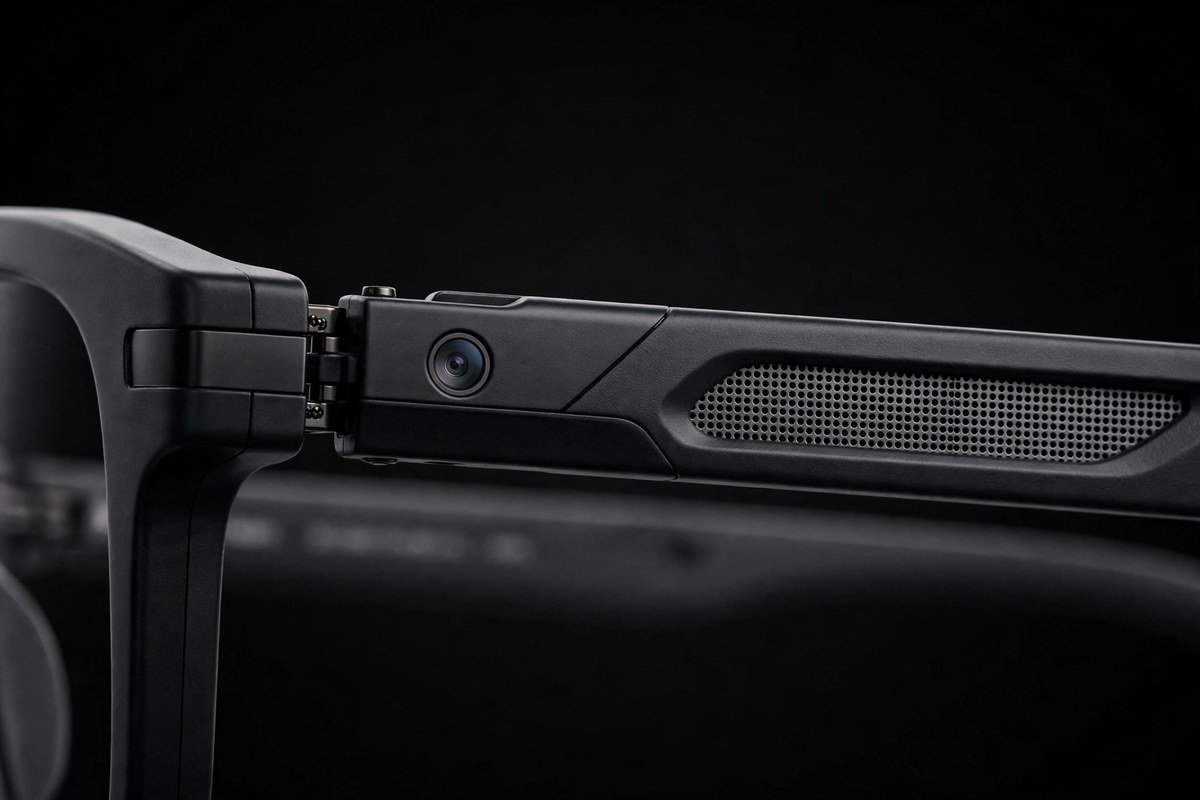
Battery figures are the makers’ own estimates and vary with use. Camera glasses last a working day at best: Gen 2 up to 8 hours, Gen 3 up to 9 hours, Vanguard up to 9 hours, and Ray-Ban Meta Audio up to 12 hours because it has no camera to power. Display glasses are thirstier: Ray-Ban Display manages about 6 hours, while the camera-free Even G2 stretches to two days. Every pair relies on its charging case for multi-day use, and heavy video recording drains any pair far faster than music and calls.
The camera is the feature most buyers actually use, and the honest answer is that it is good for first-person video, not for serious photography. Ray-Ban Meta Gen 2 and Gen 3 both shoot 12MP photos and 3K video with a 100-degree field of view, which is wide enough to capture what you are looking at without aiming. The footage looks best in daylight and on social media, where the first-person angle is the whole point. Low light is the weak spot, and there is no zoom worth using, so do not buy these as a camera replacement. Our guide to the best AI social media automation tools covers what to do with all that hands-free footage once you have shot it.
A camera on someone’s face is a genuine privacy concern, and buyers should go in with their eyes open. Industry analysis cited in 2026 put the figure at around 47 percent of potential buyers who name data security or privacy as a reason not to buy, which is far too large to dismiss as a fringe worry.
Every major model includes a visible LED that lights up when the camera or microphone is recording, and Meta says covering or disabling the LED disables camera capture on its glasses. That helps, but it does not settle the question. Social norms have not caught up: is it acceptable to wear camera glasses in a doctor’s office, a changing room, a business meeting, a classroom, or someone else’s home? The safe rule is to ask before recording people, and to take the glasses off where recording would be unwelcome. There is also a less visible question: where does your captured data go? Some platforms process and store camera and audio data on the manufacturer’s cloud servers to deliver AI features, which is a meaningfully different privacy posture from local-only processing. Read the maker’s current privacy policy before buying, and if the data question worries you, choose a camera-free pair like Ray-Ban Meta Audio or Even Realities G2. Our guide on whether it is safe to share personal information with AI chatbots explains what actually happens to the data you hand to AI systems.

Buy them if you take photos and video every day, listen to music or podcasts on the go, take a lot of calls while moving, travel often, or want hands-free help with directions and translations. They also make sense as an accessibility tool: an AI system connected to a camera can describe objects, read text aloud, and help with navigation for people with low vision. Do not buy them if you only want notifications, because a smartwatch is cheaper and better at that job. Do not buy display glasses expecting a phone-sized screen, because the Even G2’s field of view is 27.5 degrees, which is closer to a floating notification strip than a screen. And do not buy tethered display glasses like Xreal One Pro expecting an everyday AI assistant, because they are a private screen for movies and work, not a pair you wear walking around.
Samsung showed its first Android XR glasses in July 2026, with Google’s Gemini as the assistant and frames from Warby Parker and Gentle Monster. The first model has no display, no confirmed price yet, and reports suggest roughly $379 to $499. If you use a Samsung phone and Gemini, waiting a few weeks may be worth it. Apple has not launched smart glasses, and reports point to a possible reveal late in 2026 with retail in 2027. That is the longest wait in the category, and only worth it if you are deeply invested in Apple’s ecosystem and wary of Meta’s cloud data practices. For everyone else, the current Ray-Ban Meta lineup is mature, widely available, and frequently discounted, so there is no need to wait.
Are AI smart glasses worth it? In November 2026, the answer is yes for people who will use the camera or the assistant every day, and the safest buy is Ray-Ban Meta Gen 2 at $379, or Gen 3 at $449 if you want the extra hour of battery and better call quality. If $249 is your budget, Meta Adventurer gets you the same core experience. If privacy is your worry, the camera-free Ray-Ban Meta Audio at $349 removes it entirely. Pick the category first, camera or display, then pick the model. Meta’s own announcement of the current lineup is covered in Meta’s Connect 2026 announcement if you want to verify the prices and specs yourself.
Yes, for people who regularly take photos and videos, listen to music or podcasts on the go, or want hands-free help from an AI assistant. The technology is now good enough for daily use, with camera glasses starting at $249. If you only want notifications, a smartwatch is cheaper.
None of the glasses in this guide require a monthly subscription for core features. Meta AI, calls, music, photos and video all work without one.
Yes, on most models. Ray-Ban Meta, Oakley Meta and Ray-Ban Meta Audio all support prescription lenses, though supported ranges and prices vary. Even Realities G2 has the widest range, from -12.00 to +12.00. Check the supported range for your prescription before ordering.
They can be, which is why around 47 percent of potential buyers cite privacy as a concern in 2026 industry analysis. All major models show a visible LED when recording, and Meta says disabling the LED disables the camera. The bigger question is where captured data is processed: some platforms use cloud servers, so read the maker’s privacy policy and choose a camera-free model if the data question worries you.
AI glasses focus on an assistant, audio and a camera, with no screen in the lens. AR glasses add a display that overlays information on the world, or show a large virtual screen. Display models like Meta Ray-Ban Display sit in between, adding a small in-lens screen to camera glasses.