What Position Are You in During Robotic Hysterectomy
- July 2, 2026
- 0
If you are preparing for surgery, you might be wondering what position are you in during robotic hysterectomy and why it matters so much. The answer affects your

If you are preparing for surgery, you might be wondering what position are you in during robotic hysterectomy and why it matters so much. The answer affects your
If you are preparing for surgery, you might be wondering what position are you in during robotic hysterectomy and why it matters so much. The answer affects your safety, recovery, and the surgeon’s view of your pelvic organs. Understanding it helps you feel calmer before the procedure.
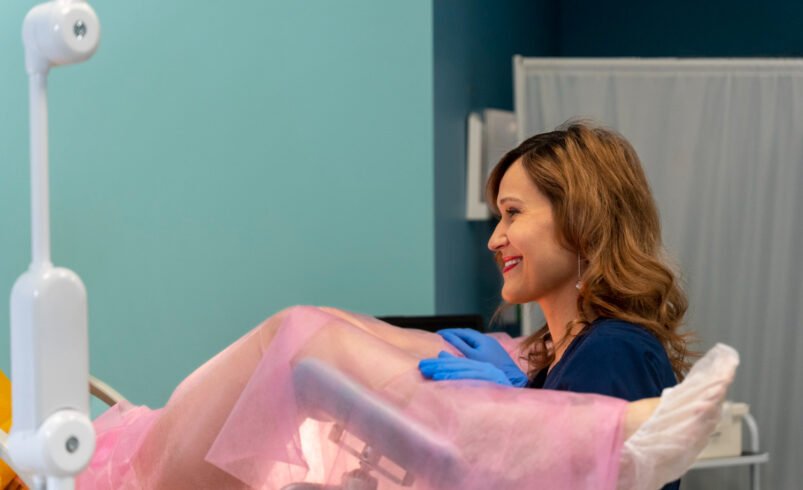
During robotic hysterectomy, you lie on your back in the dorsal lithotomy position with legs in padded stirrups, while the operating table tilts head-down at a 25 to 30 degree steep Trendelenburg angle.
You are placed in a combined dorsal lithotomy and steep Trendelenburg position. Your legs rest in padded stirrups while the operating table tilts your head downward.
This setup lets gravity pull your bowel away from the pelvis. As a result, the surgeon gains a clear view of the uterus and surrounding tissues.
Your arms are tucked at your sides to give the robotic arms enough space. Soft padding and shoulder braces also keep you stable on the table.
The steep head-down tilt is essential for pelvic visibility. Gravity shifts the small intestine upward, exposing the uterus, ovaries, and ligaments.
Without this angle, the robotic instruments cannot reach the surgical field safely. The tilt usually ranges from 25 to 45 degrees, depending on body shape.
In lithotomy, both legs are supported in stirrups with hips and knees gently flexed. This gives access to the vagina for the uterine manipulator.
Allen or Yellofin stirrups are standard because they reduce nerve pressure. Your feet and calves are cushioned to prevent any compression injury.
A 45-year-old patient with fibroids may stay in this position for 90 to 150 minutes. Anaesthetists monitor eye, airway, and venous pressures throughout.
In another case, women with a higher BMI may require slightly less tilt. The surgical team adjusts the angle to balance access with patient safety.
According to the American College of Obstetricians and Gynecologists, robotic hysterectomy now accounts for over 30 percent of hysterectomies performed in the United States.
A 2024 review in the Journal of Minimally Invasive Gynecology reported that tilts under 30 degrees are increasingly preferred to reduce ocular and cerebral pressure risks.
The NHS in the UK also reports a steady rise in robotic gynaecological procedures, with shorter hospital stays compared with open surgery.
Anaesthetists usually recommend gradual tilting rather than sudden steep positioning. This gives your cardiovascular system time to adjust safely.
Surgical teams also test the position before docking the robot. If you slide even slightly, the supports are adjusted right away.
Compression stockings are used to reduce blood pooling in your legs. This is now standard practice in most UK hospitals.
Knowing what position are you in during robotic hysterectomy can ease pre-surgery anxiety and help you ask better questions at your consultation. The position is carefully chosen for visibility, safety, and quicker recovery.
Speak with your gynaecologist about how the surgical team will protect you during Vex V5 Robot positioning. A short conversation now can make a real difference to your confidence on the day.
1. What position are you in during robotic hysterectomy?
You lie in dorsal lithotomy with your legs in stirrups, and the table tilted head-down in steep Trendelenburg.
2. How steep is the Trendelenburg tilt?
The angle is usually 25 to 30 degrees, although it can reach 45 degrees if needed.
3. Are your arms placed above your head?
No, your arms are tucked and padded at your sides to give the robot working space.
4. Is the position safe for long surgeries?
Yes, when correct padding, shoulder supports, and continuous monitoring are in place.
5. Can the position cause back pain afterwards?
Mild stiffness is possible, but careful padding and efficient operating times keep this very minimal.