How Computer Screen Lines Vertical Can Be Fixed
- September 10, 2026
- 0
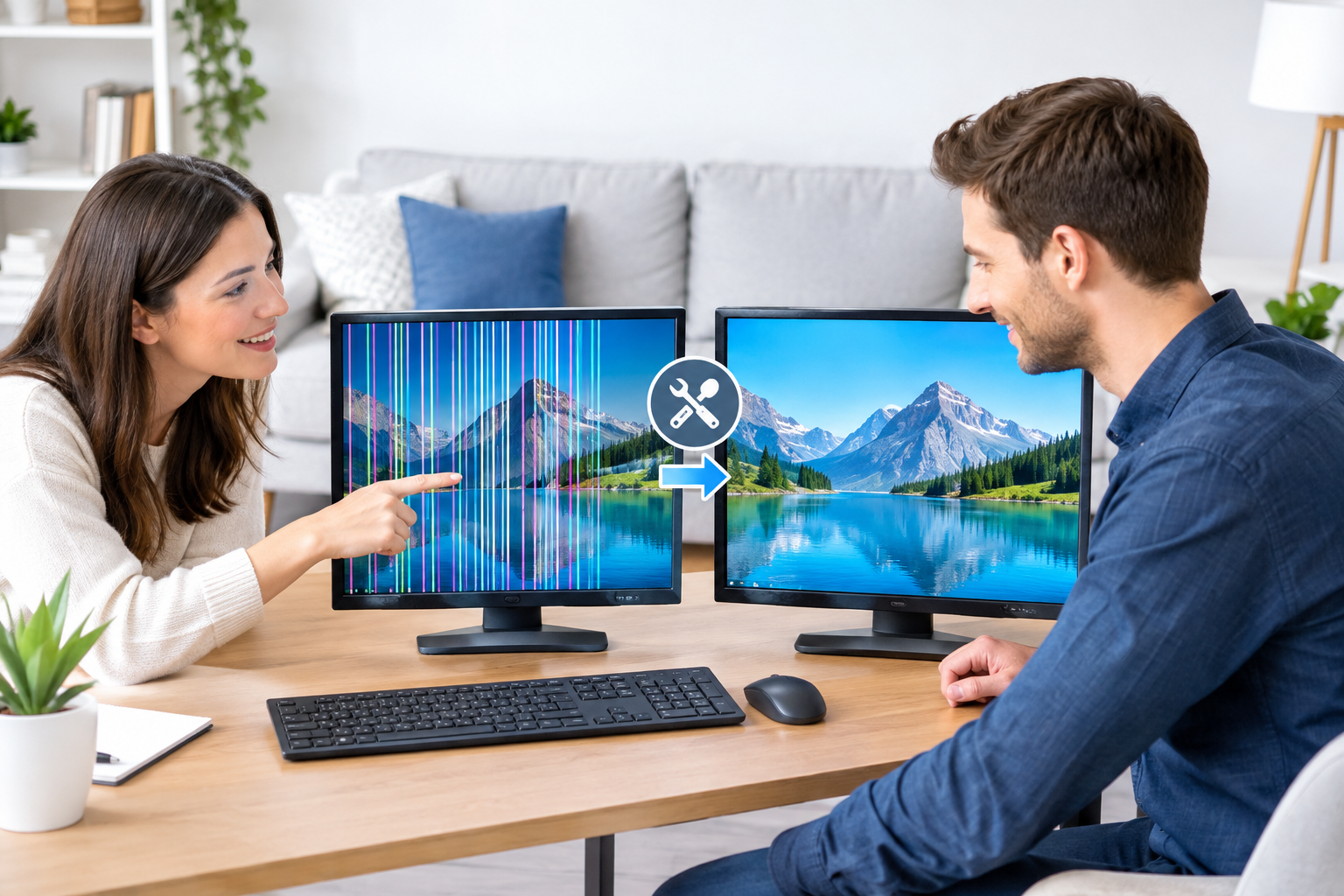
Computer screen lines vertical is one of the most common display faults reported by both laptop and desktop users. These thin, coloured or black stripes usually point to

Computer screen lines vertical is one of the most common display faults reported by both laptop and desktop users. These thin, coloured or black stripes usually point to
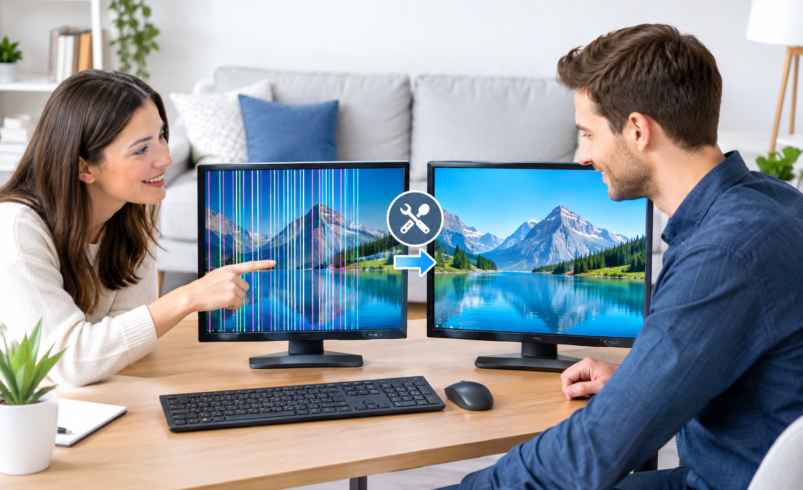
Computer screen lines vertical is one of the most common display faults reported by both laptop and desktop users. These thin, coloured or black stripes usually point to a cable, driver, graphics card or panel problem, and most cases can be diagnosed in under ten minutes using the checks below.
If you see computer screen lines vertical, first check whether they show up in the BIOS or startup screen. If they do, it’s a hardware fault (cable, panel or GPU). If they only appear once Windows or macOS has loaded, it’s almost always a software or driver issue. Understanding this distinction is just as important as keeping up with quantum computing advances, because both require identifying the underlying technology before troubleshooting. This one test tells you which half of this guide to follow.
Vertical lines are rarely random. They come from a fault somewhere along the signal path, from the graphics card inside your computer to the pixels on the panel itself.
The most common causes are:
Knowing which of these applies to you is the difference between a five-minute fix and an unnecessary repair bill.
This is the single most useful test, and it’s the one most guides skip.
This single check saves you from reinstalling drivers when the real issue is a cracked panel, or replacing a monitor when the fix is a two-minute driver update.
If the lines only appear after your operating system loads, try these in order.
Outdated or corrupted GPU drivers are the leading software cause.
A mismatched resolution can create visible striping.
Third-party software occasionally conflicts with your display driver.
If lines disappear in Safe Mode, a background app or driver is the culprit, not the hardware.
If the lines showed up before the operating system loaded, focus here.
This isolates the fault properly. Swap in a spare cable first. If the lines persist, connect your computer to a second monitor or TV.
Vertical lines that appear only during gaming or heavy graphics use, then vanish once the system cools, are a classic sign of GPU thermal stress or early graphics card failure. Clean dust from the fans and heatsink, and monitor temperatures with a tool such as HWMonitor.
Laptop screens are especially prone to this fault because the display ribbon cable runs through the hinge and flexes every time the lid opens and closes.
Most guides treat every device the same, but the likely cause changes depending on your setup.
Matching the fix to the setup saves time and avoids replacing parts that were never the problem.
Not every fault is worth fixing yourself.
If your monitor or laptop is still under warranty, always contact the manufacturer before opening the device yourself, as this can void your cover.
Computer screen lines vertical almost always trace back to one of a handful of causes: a cable, a driver, an overheating GPU, or physical damage to the panel or ribbon cable. Running the BIOS test first tells you whether you’re dealing with hardware or software, which saves time and rules out the wrong fix. Work through the checks in order, and most cases can be resolved without a costly repair or a new monitor.
It usually means there’s a fault somewhere in the signal path between your graphics card and the display panel. This can be a loose cable, an outdated driver, a failing GPU, or physical damage to the screen itself.
Yes, in many cases. Cable, driver and resolution issues can all be fixed without spending anything. Hardware faults such as a damaged panel or T-con board usually need a repair or replacement.
This is typically a sign of GPU overheating or early graphics card failure under load. Clean your fans, check temperatures and consider updating your graphics driver.
It depends on the cause. A loose ribbon cable is a relatively affordable repair. A full panel replacement costs more, though usually still less than buying a new laptop.
Connect the same computer to a different monitor. If the lines disappear, your original monitor is at fault. If they persist on the new screen too, the graphics card is the more likely cause.